
Why Fitness Trainers Recommend Massage Therapy for Athletes’ Recovery and Performance
For athletes seeking to enhance their performance and accelerate recovery, fitness trainers are increasingly recommending massage therapy as a key component of their regimen. This ancient practice, known for its wide-ranging physical and mental benefits, is gaining popularity in the world of sports recovery. By incorporating massage therapy, athletes can improve circulation, reduce muscle tension, and promote faster healing after intense training sessions. As we explore the top benefits of massage therapy for athletes, it becomes clear why this practice is becoming an essential part of athletic training and recovery routines. Whether you’re a professional athlete or a sports enthusiast, understanding how massage therapy can aid in sports recovery may transform your approach to fitness and performance.
What is Massage Therapy?
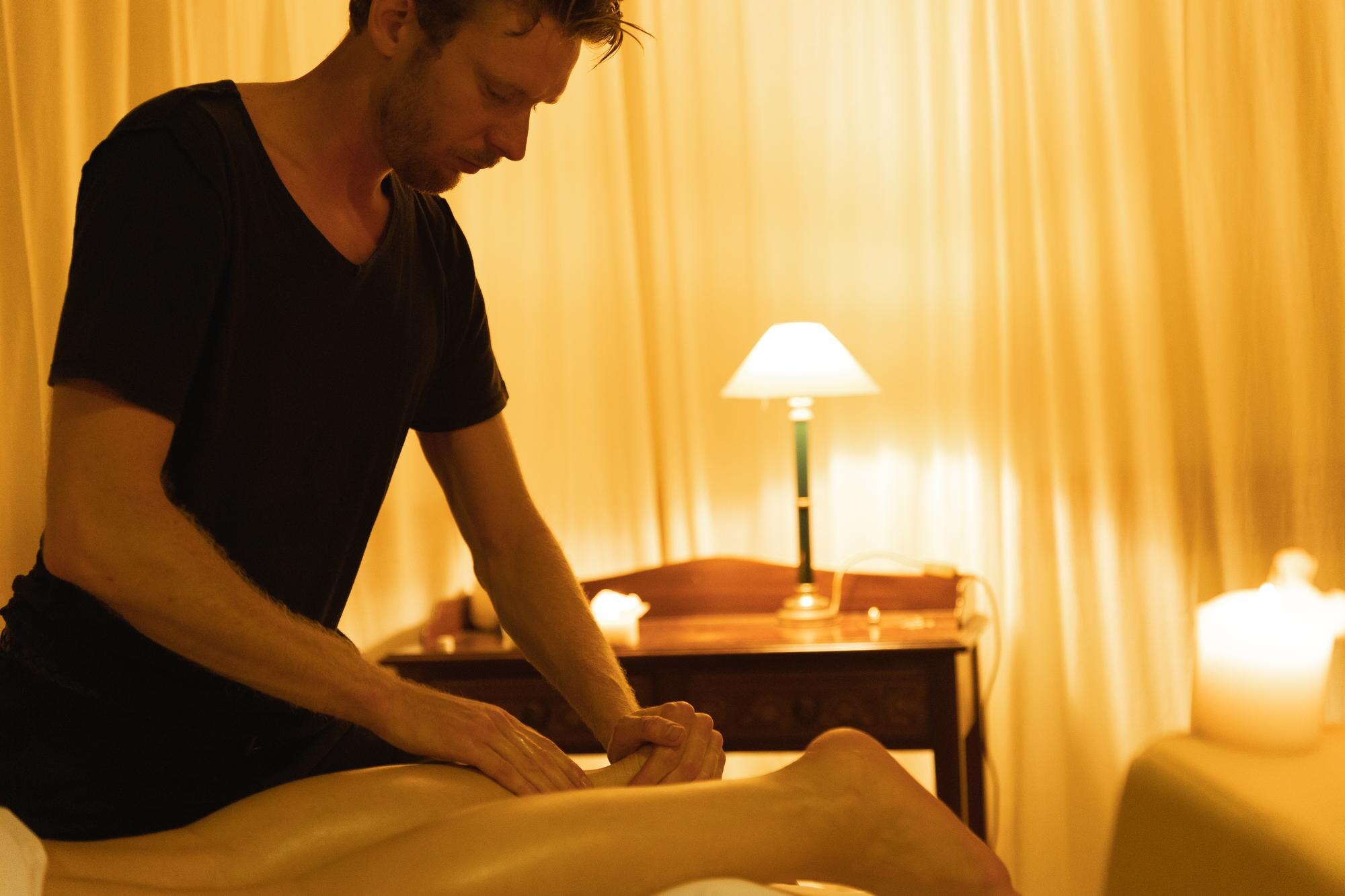
Massage therapy is a hands-on approach to wellness that involves manipulating soft tissues in the body. It’s a practice that dates back thousands of years and has evolved into various techniques and styles.
For athletes, massage therapy serves as a powerful tool for physical recovery and mental rejuvenation. It involves applying pressure and movement to muscles, tendons, and ligaments to promote healing and relaxation.
The benefits of massage therapy extend beyond just feeling good. It can help increase blood flow, reduce muscle tension, and improve flexibility – all crucial factors for athletic performance and recovery.
Types of Massage for Athletes
Athletes can benefit from several types of massage, each serving a specific purpose in their training and recovery regimen.
Sports massage is tailored to athletes’ needs, focusing on areas of the body that are overused and stressed from repetitive and often aggressive movements.
Deep tissue massage targets the deeper layers of muscle and connective tissue. It’s particularly useful for chronic aches and pain or contracted areas such as a stiff neck, lower back tightness, and sore shoulders.
Swedish massage uses long strokes, kneading, and circular movements on superficial layers of muscle. It’s excellent for improving circulation and promoting overall relaxation.
Trigger point therapy focuses on specific areas of tight muscle fibers that can form in muscles after injuries or overuse. This technique can be particularly beneficial for athletes dealing with chronic pain or injuries.
Physical Benefits for Athletes

Massage therapy offers numerous physical advantages that can significantly impact an athlete’s performance and recovery. Let’s delve into how it enhances muscle recovery and reduces injury risk.
Enhancing Muscle Recovery
Massage therapy plays a vital role in enhancing muscle recovery for athletes. It helps to speed up the healing process after intense training sessions or competitions.
One of the primary ways massage aids recovery is by increasing blood flow to the muscles. This improved circulation brings more oxygen and nutrients to the tissues, helping them repair and rebuild more quickly.
Massage also helps to reduce inflammation in the muscles. By manipulating the soft tissues, it can help to flush out metabolic waste products that accumulate during exercise, reducing soreness and stiffness.
Moreover, massage can help to break down scar tissue that forms after injuries or intense workouts. This process can improve flexibility and range of motion, allowing athletes to return to peak performance more quickly.
Reducing Injury Risk
Massage therapy is not just about recovery; it’s also a powerful tool for injury prevention. Regular massages can help athletes maintain their bodies in top condition, reducing the risk of injuries.
By improving flexibility and range of motion, massage helps to prevent the kind of muscle tightness that can lead to strains and tears. It also helps to identify and address minor issues before they become major problems.
Massage can also help to correct muscle imbalances. These imbalances, often caused by repetitive motions in sports, can lead to compensatory movements that increase injury risk.
Furthermore, by reducing overall muscle tension, massage can help athletes maintain proper form during training and competition. This improved biomechanics can significantly lower the risk of both acute and overuse injuries.
Psychological Advantages
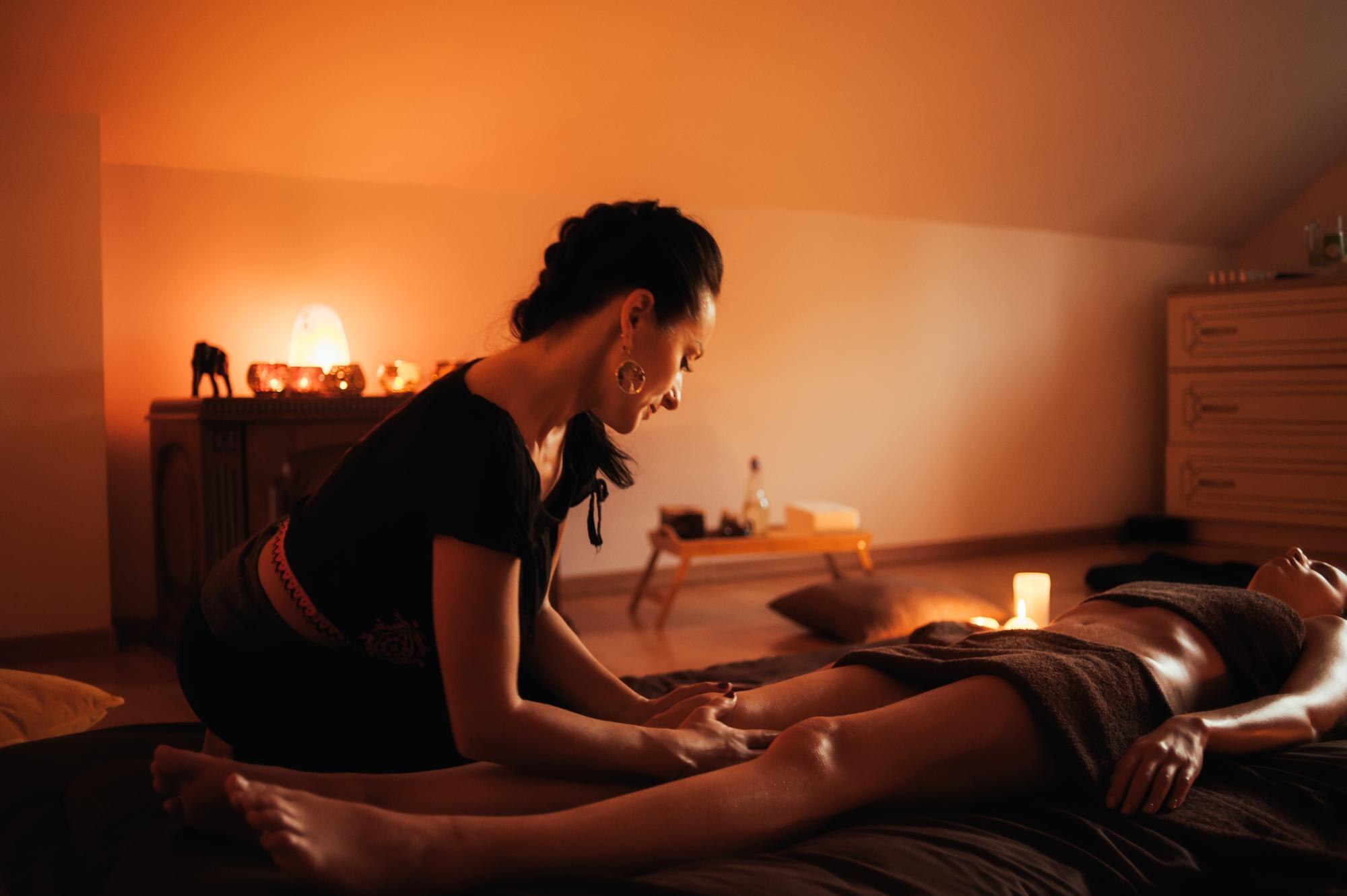
Beyond its physical benefits, massage therapy offers significant psychological advantages for athletes. These mental benefits can be just as crucial for performance and recovery.
Stress Relief and Relaxation
Massage therapy is a powerful tool for stress relief and relaxation, which are crucial for athletes dealing with the pressures of training and competition.
The physical act of massage triggers a relaxation response in the body. This response lowers heart rate, reduces blood pressure, and decreases the production of stress hormones like cortisol.
For athletes, this stress reduction can lead to better sleep quality. Good sleep is essential for recovery, hormone regulation, and maintaining a positive mood.
Massage also promotes the release of endorphins, the body’s natural “feel-good” chemicals. This can help to elevate mood and create a sense of well-being, which is particularly beneficial for athletes dealing with the mental challenges of intense training or competition.
Boosting Mental Focus
Massage therapy can play a significant role in enhancing an athlete’s mental focus, a crucial element for peak performance.
By promoting relaxation and reducing stress, massage helps to clear the mind of distractions. This mental clarity can lead to improved concentration during training and competition.
Regular massage sessions can also help athletes develop better body awareness. This improved connection between mind and body can lead to more effective training and better performance.
Moreover, the quiet time during a massage session provides an opportunity for mental rehearsal and visualization. Many athletes use this time to mentally prepare for upcoming events or to reflect on their training progress.
Integrating Massage into Training
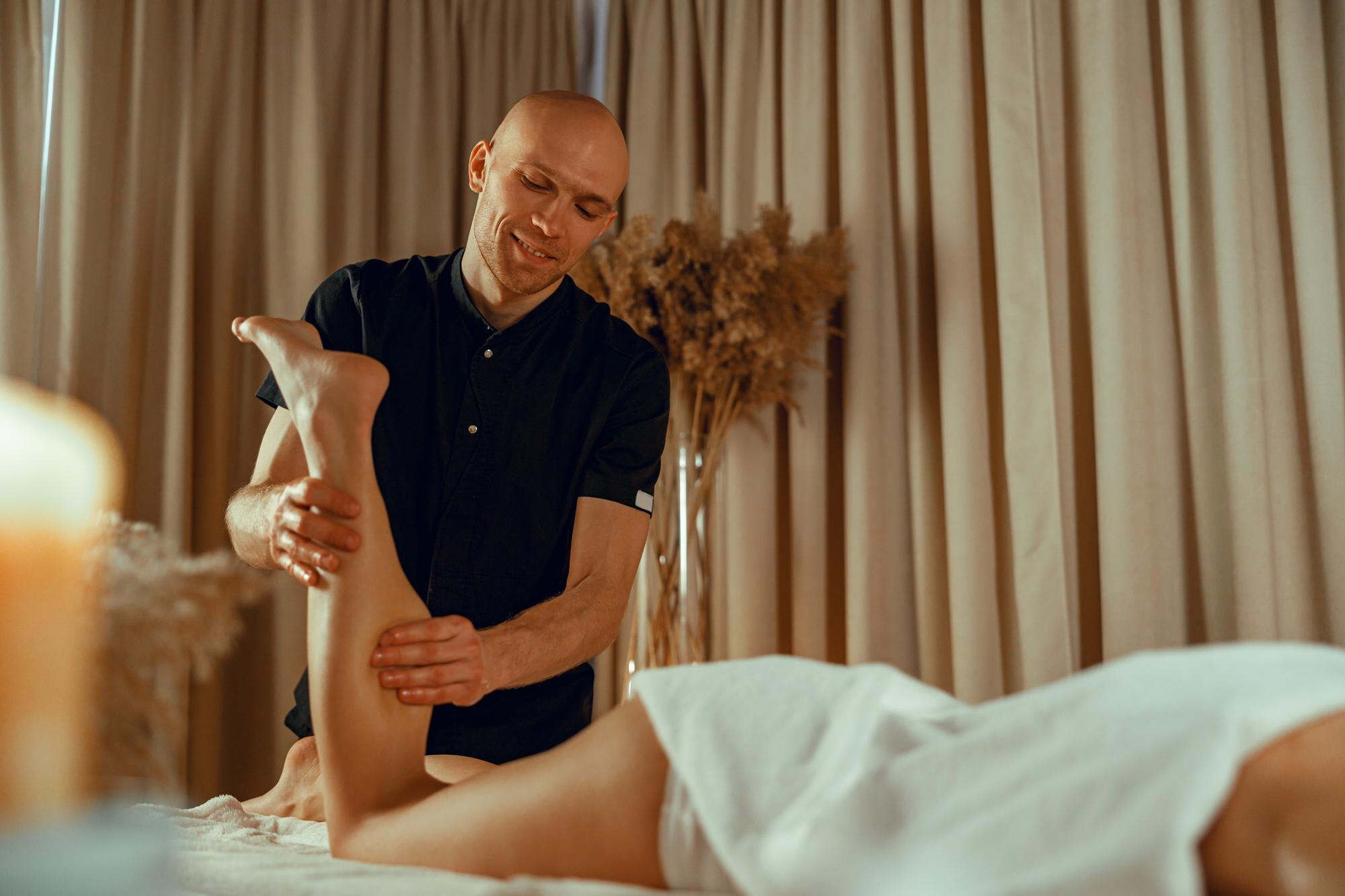
To reap the full benefits of massage therapy, it’s important to integrate it effectively into an athlete’s training regimen. This involves careful scheduling and choosing the right therapist.
Scheduling and Frequency
The timing and frequency of massage sessions can significantly impact their effectiveness for athletes.
Pre-event massages are typically lighter and aimed at warming up the muscles and increasing blood flow. These are usually done 3-5 days before a competition to avoid any soreness that might interfere with performance.
Post-event massages focus on recovery and are usually performed 1-2 days after a competition or intense training session. These help to reduce muscle soreness and speed up recovery.
For ongoing maintenance, many athletes benefit from weekly or bi-weekly massage sessions. The exact frequency can vary based on the intensity of training and individual needs.
It’s important to communicate with both the massage therapist and the coach to find the right balance and timing for massage sessions within the overall training plan.
Choosing the Right Therapist
Selecting the right massage therapist is crucial for athletes to get the most out of their sessions.
Look for therapists who have experience working with athletes, particularly in your specific sport. They should understand the unique demands of your training and the common issues athletes in your field face.
Certification in sports massage or other relevant specialties is a good indicator of a therapist’s expertise. Don’t hesitate to ask about their qualifications and experience.
It’s also important to find a therapist with whom you feel comfortable. Good communication is key, as you’ll need to provide feedback about pressure, problem areas, and your overall goals for the sessions.
Remember that it may take trying a few different therapists before you find the right fit. Many athletes work with a team of professionals, including massage therapists, physiotherapists, and chiropractors, to address different aspects of their physical well-being.
Building a Supportive Community
Creating a supportive community around massage therapy can enhance its benefits for athletes. This involves encouragement from peers and building a network of wellness professionals.
Encouragement from Fellow Athletes
Peer support can play a significant role in helping athletes embrace massage therapy as part of their training regimen.
Hearing success stories from fellow athletes who have benefited from regular massage can be incredibly motivating. These personal accounts can help overcome any skepticism about the practice.
Team environments can foster a culture of self-care, where massage therapy is seen as an essential part of training rather than a luxury. This mindset shift can lead to more consistent use of massage and better overall outcomes.
Sharing experiences and recommendations can also help athletes find skilled therapists and learn about different massage techniques that might be beneficial for their specific needs.
Creating a Wellness Network
Building a comprehensive wellness network can amplify the benefits of massage therapy for athletes.
This network might include not just massage therapists, but also physiotherapists, nutritionists, sports psychologists, and other wellness professionals. Each of these experts can contribute to an athlete’s overall health and performance.
Regular communication between these professionals can ensure a coordinated approach to an athlete’s care. For example, a massage therapist might work closely with a physiotherapist to address specific issues identified during training.
Athletes can also benefit from connecting with wellness-focused businesses in their community. Many of these establishments offer services or products that complement massage therapy, such as recovery tools or nutrition supplements.
Remember, building this network takes time and effort, but the payoff in terms of improved performance and overall well-being can be substantial.