The Science Behind Stress and Skin: Understanding Inflammation and Breakouts
Stress shows up on your skin, turning calm mornings into breakout battles. It’s not just in your head—research links stress directly to acne, inflammation, and that dull complexion staring back at you in the mirror. But what if spa treatments could offer relief? Dive into the science behind stress and skin, and discover how a simple spa day might just be the soothing solution your skin craves.
How Stress Affects Skin Health
Stress can wreak havoc on our skin, causing a range of issues from acne to premature aging. When we’re stressed, our body releases cortisol, often called the “stress hormone.” This hormone can increase oil production in our skin glands, leading to clogged pores and breakouts.
Chronic stress can also weaken our skin’s protective barrier, making it more susceptible to irritants and environmental damage. This can result in dryness, redness, and increased sensitivity.
Moreover, stress can slow down skin cell turnover and collagen production, which are crucial for maintaining healthy, youthful-looking skin. This can lead to a dull complexion and the appearance of fine lines and wrinkles.
The Role of Hormones in Breakouts
Hormones play a significant role in skin health, and stress can disrupt our hormonal balance. When we’re stressed, our body produces more androgens, which are hormones that stimulate oil production in the skin.
This increase in oil can lead to clogged pores and create an environment where acne-causing bacteria thrive. For many people, this results in more frequent and severe breakouts during times of stress.
Women may notice that their skin is particularly prone to breakouts during certain times of their menstrual cycle when hormone levels fluctuate. Stress can exacerbate these hormonal changes, leading to more pronounced skin issues.
Signs of Stress-Related Skin Issues
Recognizing stress-related skin problems is the first step in addressing them. Common signs include:
-
Sudden acne breakouts, especially in adults
-
Increased skin sensitivity or redness
-
Dryness or flakiness
-
Dull, tired-looking complexion
-
Exacerbation of existing skin conditions like eczema or psoriasis
If you notice these symptoms coinciding with periods of high stress, it’s likely that your skin is reacting to the pressure you’re under. Paying attention to these signs can help you take proactive steps to care for your skin during stressful times.
Inflammation and Acne Connection
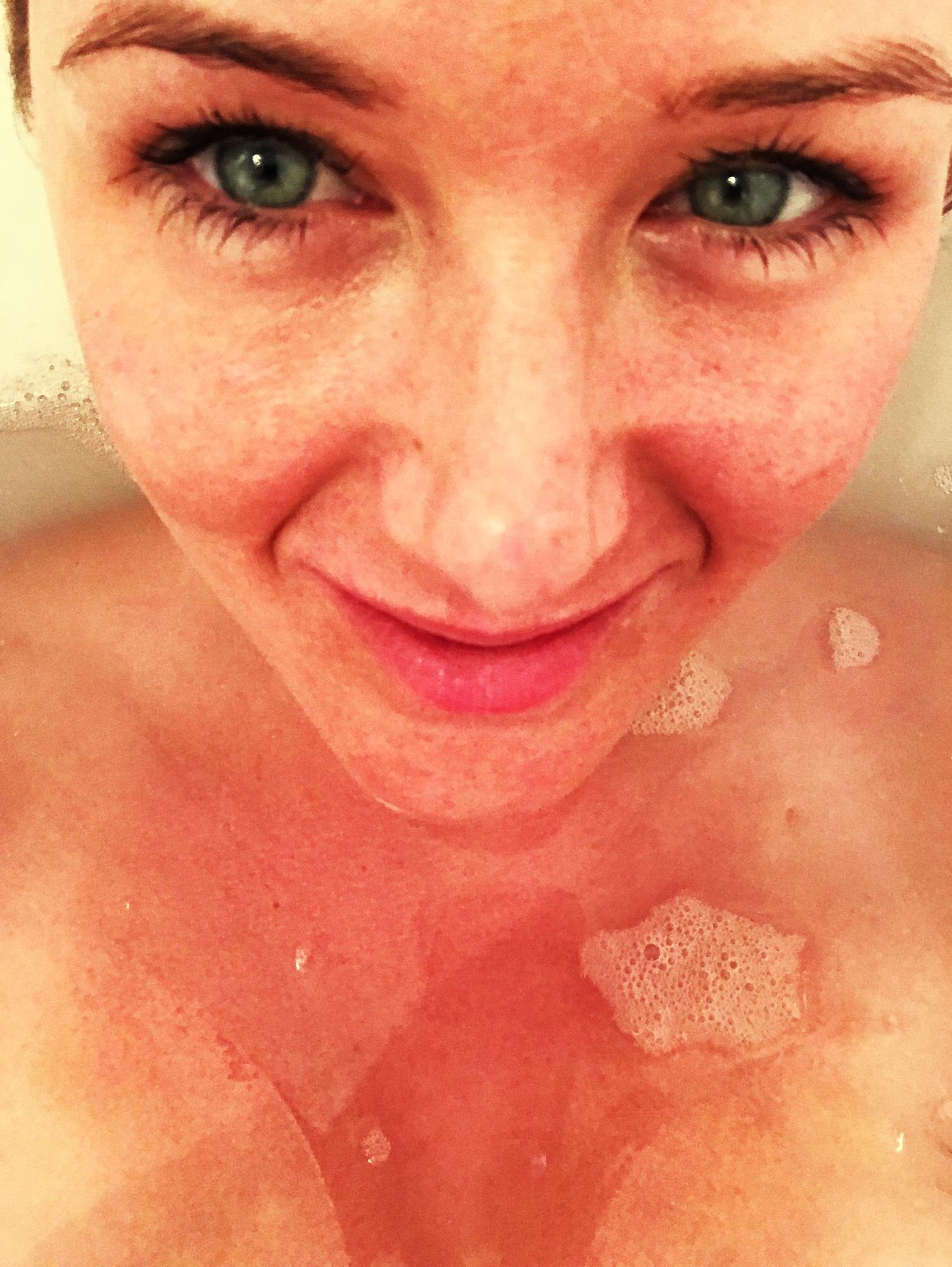
Inflammation is a key factor in many skin issues, particularly acne. Understanding the link between stress, inflammation, and breakouts can help us better manage our skin health.
Why Stress Leads to Inflammation
Stress triggers a complex cascade of physiological responses in our bodies, including inflammation. When we’re stressed, our body releases inflammatory chemicals as part of the “fight or flight” response.
This inflammatory response can manifest in our skin, causing redness, swelling, and irritation. Chronic stress keeps our body in a constant state of low-grade inflammation, which can lead to persistent skin issues.
Furthermore, stress can disrupt our sleep patterns and eating habits, both of which can contribute to increased inflammation throughout the body, including our skin.
The Science of Stress-Induced Acne
Stress-induced acne is more than just a coincidence. Scientific studies have shown a clear link between stress levels and acne severity. When we’re stressed, our bodies produce more cortisol and other stress hormones.
These hormones can increase oil production in the skin and alter the way our immune system responds to acne-causing bacteria. This combination of excess oil and impaired immune function creates the perfect environment for acne to flourish.
Additionally, stress can slow down the skin’s healing process, meaning that existing blemishes take longer to clear up, contributing to a cycle of ongoing breakouts.
Identifying Inflammatory Skin Conditions
Inflammatory skin conditions can manifest in various ways. Some common signs include:
-
Redness and warmth in affected areas
-
Swelling or puffiness
-
Itching or burning sensations
-
Skin that feels tender to the touch
-
Breakouts that are painful or deep under the skin
If you’re experiencing these symptoms, especially during times of high stress, you may be dealing with an inflammatory skin condition. Recognizing these signs early can help you seek appropriate treatment and manage your skin more effectively.
Spa Treatments for Stressed Skin
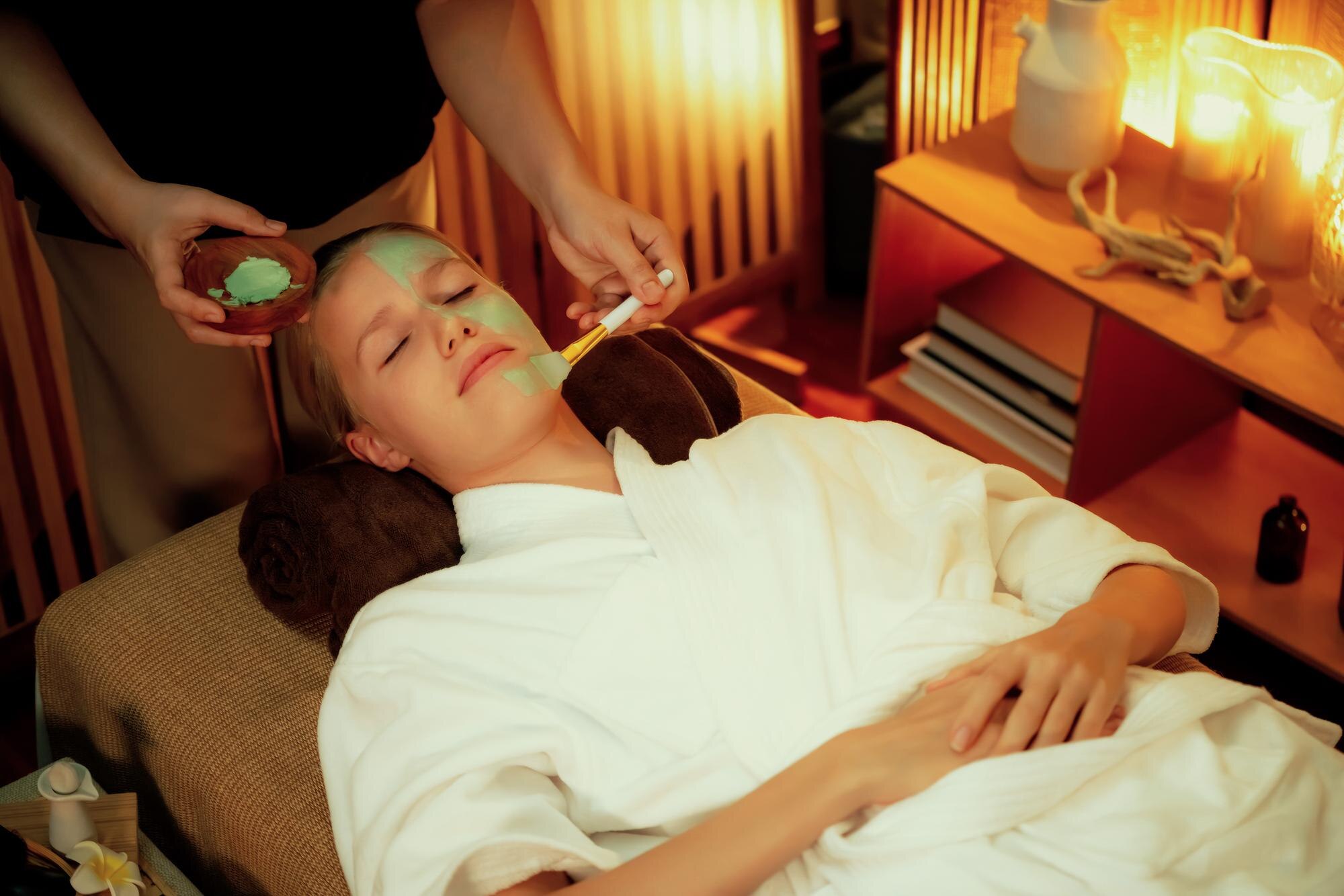
Spa treatments can offer a soothing respite for stressed skin, providing both immediate relief and long-term benefits. Let’s explore the advantages of regular spa visits, types of treatments for stress relief, and how to create a personalized skincare routine.
Benefits of Regular Spa Visits
Regular spa visits can significantly improve skin health and overall well-being. These treatments offer a multitude of benefits:
-
Deep cleansing and exfoliation to remove dead skin cells and unclog pores
-
Improved circulation, which brings more oxygen and nutrients to the skin
-
Reduced stress levels, leading to lower cortisol production and less skin inflammation
-
Professional-grade products and techniques that target specific skin concerns
Consistent spa treatments can also help maintain the results of individual sessions, leading to long-term improvements in skin health and appearance.
Types of Treatments for Stress Relief
Spa treatments can target stress-related skin issues in various ways:
-
Facial Massages: These can reduce tension in facial muscles, improve circulation, and promote lymphatic drainage.
-
Hydrating Masks: Deep moisturizing treatments can restore the skin’s barrier function, which is often compromised by stress.
-
LED Light Therapy: This can reduce inflammation and promote healing in stressed skin.
-
Aromatherapy Treatments: Essential oils can calm the mind and reduce stress levels, indirectly benefiting the skin.
Choose treatments that address your specific skin concerns while also providing relaxation benefits for maximum stress relief.
Creating a Personalized Skincare Routine
A personalized skincare routine can help maintain the benefits of spa treatments at home. Consider these steps:
-
Identify your skin type and specific concerns
-
Choose gentle, non-irritating cleansers and moisturizers
-
Incorporate stress-relieving elements like facial massage or aromatherapy
-
Use products with ingredients known to combat stress-related skin issues, such as niacinamide or green tea extract
-
Be consistent with your routine, but also flexible enough to adjust based on your skin’s changing needs
Remember, what works for someone else may not work for you. Pay attention to how your skin responds and adjust your routine accordingly.
Holistic Approaches to Wellness

A holistic approach to wellness can significantly impact skin health. By addressing mental, physical, and nutritional aspects of well-being, we can create a foundation for healthy, glowing skin.
Mind-Body Practices for Skin Health
Mind-body practices can play a crucial role in managing stress and improving skin health. Techniques like meditation, yoga, and deep breathing exercises can help reduce cortisol levels, which in turn can lead to clearer, calmer skin.
Regular practice of these techniques can also improve sleep quality, which is essential for skin repair and regeneration. Better sleep often translates to a more radiant complexion.
Moreover, mind-body practices can help us become more aware of our stress triggers and how they affect our skin, allowing us to take proactive steps to manage both our stress levels and skin health.
Nutrition and Its Impact on Skin
What we eat plays a significant role in our skin’s health and appearance. A balanced diet rich in antioxidants, healthy fats, and hydrating foods can help combat the effects of stress on our skin.
Some skin-friendly foods include:
-
Fatty fish (rich in omega-3s)
-
Berries (high in antioxidants)
-
Leafy greens (packed with vitamins and minerals)
-
Nuts and seeds (good sources of vitamin E)
-
Water and herbal teas (for hydration)
Avoiding excessive sugar, processed foods, and alcohol can also help reduce inflammation and promote clearer skin.
Building a Supportive Wellness Community
Creating a supportive wellness community can enhance our overall well-being and, by extension, our skin health. Surrounding ourselves with like-minded individuals who prioritize self-care and stress management can provide motivation and accountability.
This community can take many forms:
-
Joining a yoga or meditation class
-
Participating in online wellness forums
-
Attending local wellness events or workshops
-
Forming a skincare or self-care group with friends
Sharing experiences, tips, and support with others can make the journey to better skin and overall health more enjoyable and sustainable.
Encouraging Self-Care and Confidence
Self-care and confidence are integral to maintaining healthy skin and overall well-being. Let’s explore the importance of self-acceptance, tips for building a skincare routine, and ways to find community in wellness spaces.
The Importance of Self-Acceptance
Self-acceptance is a crucial component of skin health and overall well-being. When we accept ourselves, flaws and all, we reduce the stress and anxiety that can contribute to skin issues.
Practicing self-acceptance can lead to:
-
Reduced stress levels, which can improve skin health
-
More consistent self-care routines
-
A positive mindset that enhances overall well-being
Remember, perfect skin doesn’t exist. Embracing your unique features and focusing on overall skin health rather than perceived flaws can lead to greater confidence and less stress-induced skin problems.
Tips for Building a Skincare Routine
Creating a consistent skincare routine is key to managing stress-related skin issues. Here are some tips to get started:
-
Start simple: Begin with a basic cleanse, tone, and moisturize routine
-
Know your skin type: Choose products that suit your specific skin needs
-
Incorporate stress-relieving elements: Try facial massage or aromatherapy
-
Be patient: Give new products time to work before changing your routine
-
Don’t forget sun protection: Use SPF daily to protect your skin from stress-inducing UV damage
Remember, the best skincare routine is one that you can stick to consistently. Start small and gradually add new steps as needed.
Finding Community in Wellness Spaces
Connecting with others who share your wellness goals can provide support, motivation, and valuable insights. Here are some ways to find your wellness community:
-
Join local fitness or yoga classes
-
Participate in online skincare forums or social media groups
-
Attend wellness workshops or retreats
-
Start a skincare or wellness club with friends or colleagues
Sharing your journey with others can make the process of caring for your skin and managing stress more enjoyable and sustainable. Plus, you might discover new tips and techniques from others in your community.