
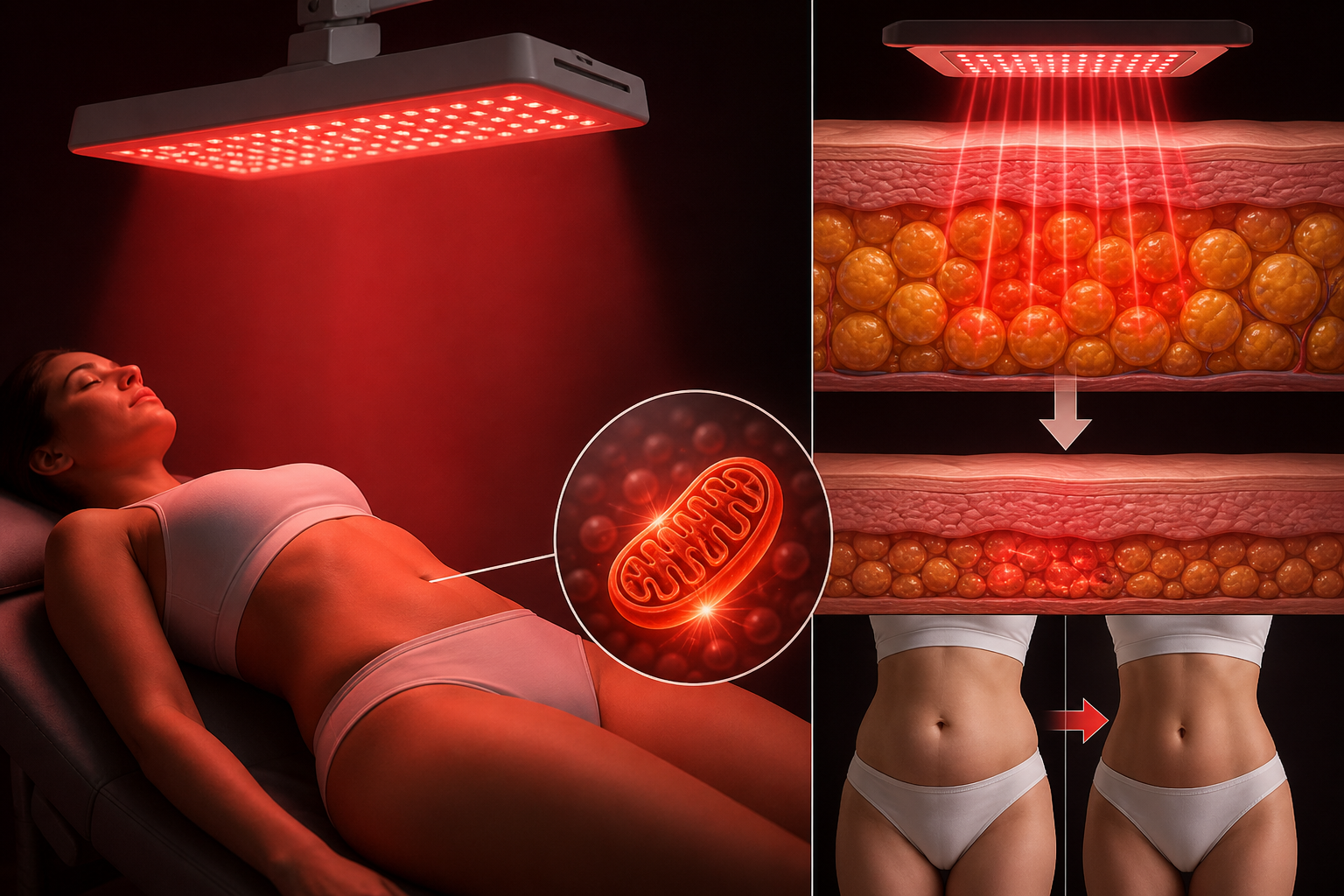
Most weight loss methods target diet or exercise, but what if light itself could help shrink fat cells naturally? Red light therapy for weight loss promises non-invasive fat loss by reaching deep beneath your skin to stimulate mitochondria. If you want clear answers on how red light therapy works and what the science says, this breakdown will give you the facts before you decide to try it.
Understanding the Foundation: What Is Red Light Therapy?
You’ve probably heard whispers about red light therapy in wellness circles, and maybe you’re wondering if it’s just another trend. Let me walk you through this with you, friend to friend, because understanding how red light therapy works starts with knowing what it actually is.
Red light therapy uses specific wavelengths of light, typically between 630 and 850 nanometers, to penetrate your skin. Think of it as sunlight without the harmful UV rays. This therapeutic light reaches beneath the surface of your skin, where something remarkable happens at the cellular level.
When this light enters your body, it doesn’t just sit there. It gets absorbed by your cells, particularly by structures called mitochondria. You might remember mitochondria from biology class as the “powerhouse of the cell.” That description matters more than you might think when it comes to weight loss.
The Science Behind How Red Light Therapy Works
Let’s break down the biology together, because you deserve to know exactly what’s happening inside your body.
Mitochondria and Cellular Energy
Your mitochondria are responsible for creating ATP (adenosine triphosphate), which is essentially the energy currency your cells use to function. When red light photons reach your mitochondria, they stimulate a process called photobiomodulation.
Here’s what happens step by step:
-
Red light photons are absorbed by chromophores in your mitochondria
-
This absorption triggers increased ATP production
-
Your cells suddenly have more energy to perform their functions
-
Fat cells, in particular, respond to this energy boost in specific ways
This isn’t magic. It’s photochemistry happening right inside your body.
The Fat Cell Response
Now, here’s where things get interesting for anyone hoping to shrink fat cells naturally. When your fat cells (adipocytes) receive this boost of cellular energy, they begin to release stored contents.
The scientific term for this is “lipolysis.” Your fat cells contain triglycerides, which are essentially stored fat. When stimulated by red light therapy, these cells create temporary pores in their membranes. Through these tiny openings, lipids (fats), glycerol, and water are released into your interstitial space.
Your lymphatic system then carries these released contents away, where your body can process and eliminate them naturally. You’re essentially helping your body do what it already knows how to do, just more efficiently.
Red Light Therapy Benefits: Beyond Fat Loss
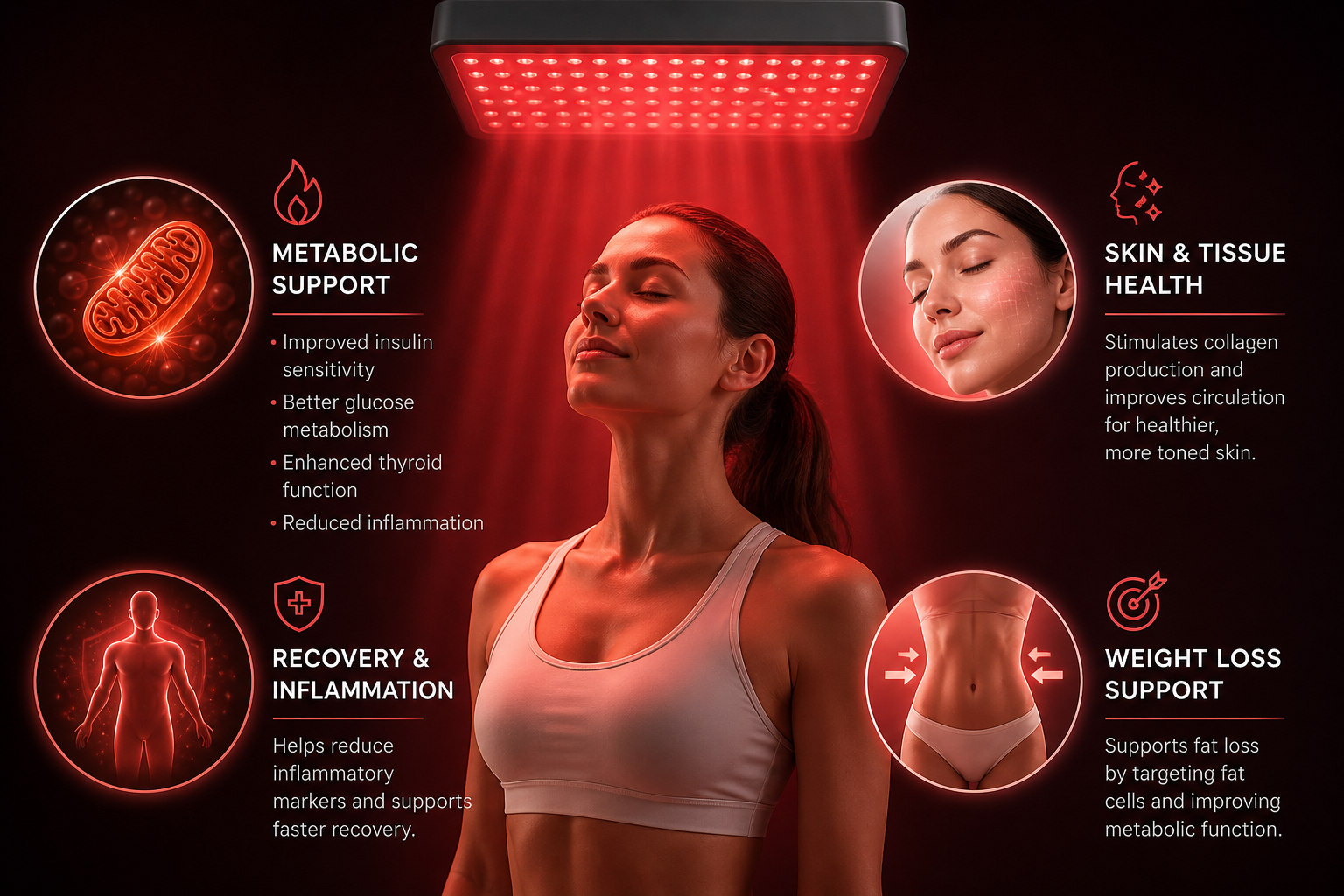
While we’re focusing on weight loss, it’s worth noting that red light therapy benefits extend into other areas of wellness. Understanding the full picture helps you see why this approach might fit into your overall health goals.
Metabolic Support
Red light therapy appears to support your metabolism in multiple ways:
-
Improved insulin sensitivity
-
Better glucose metabolism
-
Enhanced thyroid function
-
Reduced inflammation throughout the body
If you’ve struggled with weight loss despite your best efforts, metabolic issues might be part of the story. Red light therapy addresses some of these underlying factors.
Skin and Tissue Health
As light penetrates your skin, it also stimulates collagen production and improves circulation. Many people notice their skin looks healthier and more toned as they lose weight with this method. That’s a welcome bonus when you’re working toward feeling better in your body.
Recovery and Inflammation
Chronic inflammation can interfere with weight loss in ways that aren’t always obvious. Red light therapy has been shown to reduce inflammatory markers in the body, which may help remove some of the barriers standing between you and your goals.
The Research: What Studies Tell Us About Red Light Therapy for Weight Loss
You’re smart to want evidence, and the scientific community has been studying this approach with growing interest.
Clinical Studies and Findings
A 2012 study published in the journal Lasers in Surgery and Medicine examined the effects of red light therapy on body contouring. Participants who received treatments showed measurable reductions in waist, hip, and thigh circumference compared to control groups.
Another study from 2015 looked specifically at how red light therapy works on adipose tissue. Researchers found that exposure to specific wavelengths caused fat cells to release lipids, with measurable changes visible through electron microscopy.
More recent research from 2020 explored the metabolic effects, finding that red light exposure influenced not just fat release but also markers of metabolic health like cholesterol levels and insulin sensitivity.
What the Science Doesn’t Say
Being honest with you means acknowledging what we don’t yet know. While studies show promise, red light therapy isn’t a miracle cure. The research shows it works best as part of a comprehensive approach to wellness that includes nutrition, movement, and stress management.
Individual results vary based on factors like:
-
Treatment frequency and duration
-
Wavelength and intensity used
-
Your unique metabolism and health status
-
Lifestyle factors that support or hinder fat loss
How Red Light Therapy Compares to Other Non-Invasive Fat Loss Methods
You have options when it comes to non-invasive fat loss, and understanding how they compare helps you make informed choices.
Cryolipolysis (Fat Freezing)
This method freezes fat cells to destroy them. While effective for targeted fat reduction, it works differently than red light therapy. Fat freezing kills cells, while red light therapy encourages them to release their contents naturally.
Ultrasound Cavitation
This approach uses sound waves to break down fat cells. It’s more aggressive than red light therapy and may cause more discomfort during treatment.
Radiofrequency Treatments
These heat the deeper layers of skin to promote collagen production and fat reduction. They work through a different mechanism than red light therapy, though some devices combine both approaches.
Why Red Light Stands Out
Red light therapy offers several unique advantages:
-
Completely painless with no downtime
-
Works with your body’s natural processes
-
Provides additional health benefits beyond fat loss
-
Can be used safely on most body areas
-
Minimal risk of side effects when used properly
Practical Application: What to Expect from Treatment
Let’s talk about what actually happens when you try red light therapy for weight loss.
Treatment Protocols
Most protocols involve sessions lasting 10 to 30 minutes, conducted 2 to 3 times per week. You’ll typically lie or stand near red light panels that bathe your body in therapeutic wavelengths.
The light feels warm and soothing, not hot or uncomfortable. Many people find the sessions relaxing, almost meditative.
Timeline for Results
Here’s where patience becomes important. While some people notice changes within a few weeks, most significant results appear over 8 to 12 weeks of consistent treatment.
You might notice:
-
Gradual reduction in measurements
-
Improved skin texture and tone
-
Better energy levels
-
Reduced inflammation and puffiness
-
Enhanced overall sense of wellbeing
Combining with Lifestyle Changes
Red light therapy works best when you support it with healthy choices. Think of it as a tool that helps your body respond better to the good things you’re already doing.
Staying hydrated helps your lymphatic system flush released fat. Moving your body encourages circulation. Eating nourishing foods gives your cells the building blocks they need.
Safety Considerations and Who Should Try It
Your safety matters, and while red light therapy is generally well-tolerated, it’s not right for everyone.
Who Benefits Most
Red light therapy for weight loss works particularly well for people who:
-
Have stubborn areas resistant to diet and exercise
-
Want a gentle, natural approach
-
Are looking for metabolic support
-
Need a non-invasive option due to health concerns
-
Want benefits beyond just fat loss
Precautions and Contraindications
You should consult with a healthcare provider before starting if you:
-
Are pregnant or nursing
-
Take photosensitizing medications
-
Have active cancer or a history of skin cancer
-
Have thyroid conditions (though some people with thyroid issues benefit)
-
Use certain skincare products that increase light sensitivity
Most people can safely use red light therapy, but personalized guidance ensures the best outcomes.
At-Home vs. Professional Treatments
You have choices in how you access red light therapy, and each option has its place.
Professional Sessions
Working with a trained practitioner offers several advantages. Professional-grade equipment delivers higher intensity and more precise wavelengths. Your provider can assess your progress and adjust protocols based on your response.
Plus, there’s something special about having support on your wellness path. When you work with people who understand your goals and challenges, the whole process feels less lonely.
Home Devices
At-home red light devices have become more accessible and affordable. While they typically offer lower intensity than professional equipment, consistent use can still provide benefits.
If you choose this route, look for devices that:
-
Specify wavelengths (ideally 630-850nm)
-
Provide adequate power density
-
Come from reputable manufacturers
-
Include clear usage instructions
Making the Choice
Consider your budget, commitment level, and desired results. Some people start with professional treatments to see how their body responds, then maintain results with home use.
Common Questions and Concerns
Let’s address what’s probably on your mind.
Does It Really Work?
The science suggests yes, when used correctly and consistently. But “work” means different things to different people. If you’re expecting dramatic overnight changes, you’ll be disappointed. If you’re looking for gentle, cumulative support for your body’s natural fat metabolism, red light therapy delivers.
How Much Weight Can You Lose?
This varies tremendously. Some studies show average circumference reductions of 2 to 4 inches over several weeks. Your results depend on many factors, including your starting point, treatment protocol, and lifestyle.
Is It Permanent?
The fat released from cells can be permanently eliminated if you maintain healthy habits. But like any weight loss method, results require ongoing care. Your body can always store fat again if your lifestyle supports that.
What About Cost?
Professional treatments typically range from $50 to $200 per session, with packages offering better value. Home devices range from $100 to several thousand dollars depending on size and quality.
When considering cost, think about value over time. What’s it worth to support your metabolism, improve your skin, reduce inflammation, and feel better in your body?
Integrating Red Light Therapy into Your Wellness Routine
Here’s how to make this work in real life.
Creating a Sustainable Plan
Start by setting realistic expectations. You’re not just trying to shrink fat cells naturally; you’re supporting your whole body’s health.
Schedule treatments at times you can maintain consistently. Whether that’s twice a week at a wellness center or daily sessions with a home device, consistency matters more than intensity.
Supporting Your Results
While red light does its work at the cellular level, you can amplify results by:
-
Drinking plenty of water to support lymphatic drainage
-
Moving your body regularly to boost circulation
-
Eating anti-inflammatory foods that support cellular health
-
Getting adequate sleep for metabolic recovery
-
Managing stress, which affects hormone balance and fat storage
Tracking Your Progress
Measurements tell a better story than the scale alone. Take photos and measurements of areas you’re treating. Notice how your clothes fit. Pay attention to energy levels and how you feel.
Some changes happen beneath the surface before they’re visible. Trust the process.
Finding the Right Provider
If you’re considering professional treatments, choosing the right support makes all the difference.
What to Look For
Seek providers who:
-
Use FDA-cleared equipment
-
Can explain how red light therapy works in understandable terms
-
Take time to understand your individual goals
-
Offer realistic expectations, not wild promises
-
Create a welcoming, supportive environment
Questions to Ask
Don’t hesitate to inquire about:
-
The specific wavelengths and power density of their equipment
-
Recommended treatment protocols for your goals
-
Their experience with red light therapy for weight loss
-
What results previous clients have seen
-
How they’ll track and assess your progress
The right provider will welcome your questions and help you feel confident in your choice.
Your Path Forward
You came here looking for facts about how red light therapy works, and I hope you’re leaving with a clearer picture. This approach to non-invasive fat loss isn’t magic, but it is fascinating science that works with your body’s natural intelligence.
Red light therapy benefits extend beyond just weight loss, supporting your metabolism, skin health, and overall wellbeing. For analytical minds who need to understand the “why” behind a treatment, the research on photobiomodulation and cellular energy provides solid ground to stand on.
Whether red light therapy is right for you depends on your unique situation, goals, and preferences. But now you have the knowledge to make an informed decision.
If this resonates with you, consider taking the next step. Reach out to a qualified provider in your area who can assess your individual needs. Ask questions. See the equipment. Get a feel for whether this approach fits your wellness vision.
You deserve to feel good in your body. You deserve support that respects both your intelligence and your humanity. And you deserve approaches that work with your biology, not against it.
Your wellness path is uniquely yours, and finding the right tools to support you along the way makes all the difference. Red light therapy might just be one of those tools, offering a gentle, science-backed way to support the body you’re already working so hard to care for.
Here’s to finding what works for you, and to the hope that comes from understanding how your amazing body actually functions. You’ve got this.