
Sweating off pounds without moving a muscle sounds too good to be true. Yet, infrared sauna blanket weight loss claims promise just that—a way to burn calories without working out. Before you invest in a sauna wrap, you need to know what really happens to your body during those heated sessions and whether they fit your weight loss goals.
What Happens Inside a Sauna Blanket?
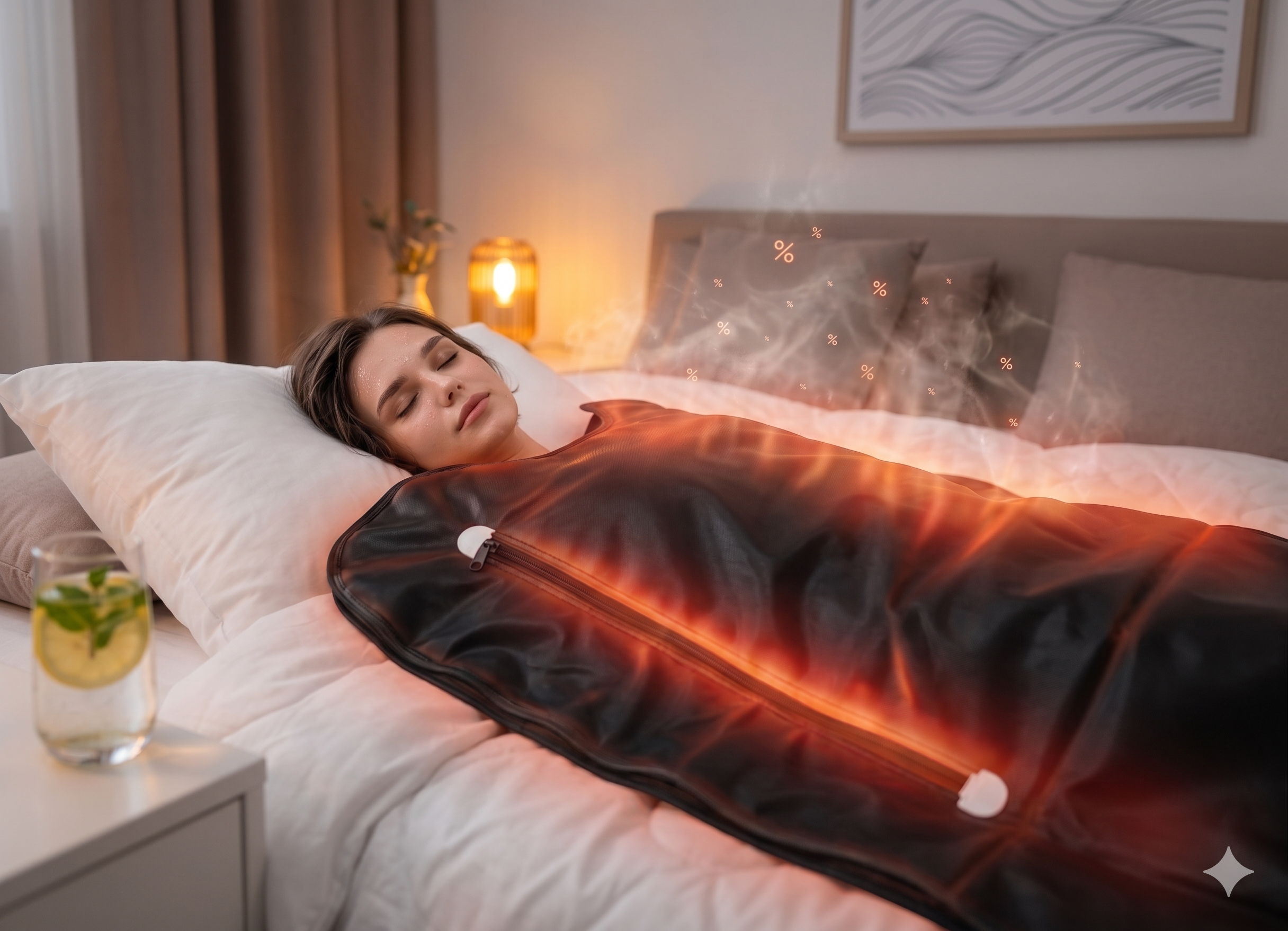
Picture yourself wrapped in warmth, lying comfortably while your body temperature rises. That’s the experience of an infrared sauna blanket session. Unlike traditional saunas that heat the air around you, these blankets use infrared technology to penetrate your skin directly, warming you from the inside out.
Your heart rate increases. You start to sweat. Your body responds much like it would during moderate physical activity. But are you actually burning fat, or just losing water weight?
The Science Behind the Sweat
When you’re cocooned in a sauna blanket, your body works hard to cool itself down. Your heart pumps faster, blood vessels dilate, and you begin sweating. This process requires energy, which means you’re burning calories.
Studies suggest that a 30-minute session can burn anywhere from 200 to 600 calories, depending on your body composition, the temperature setting, and how your individual metabolism responds. That’s comparable to a brisk walk or light jog.
But here’s what you need to understand. Not all calorie burn is created equal. The weight you lose immediately after a session is mostly water weight, which you’ll regain once you rehydrate. The real question is whether regular use can support lasting changes to your metabolism and body composition.
Do Sauna Wraps Work for Weight Loss?
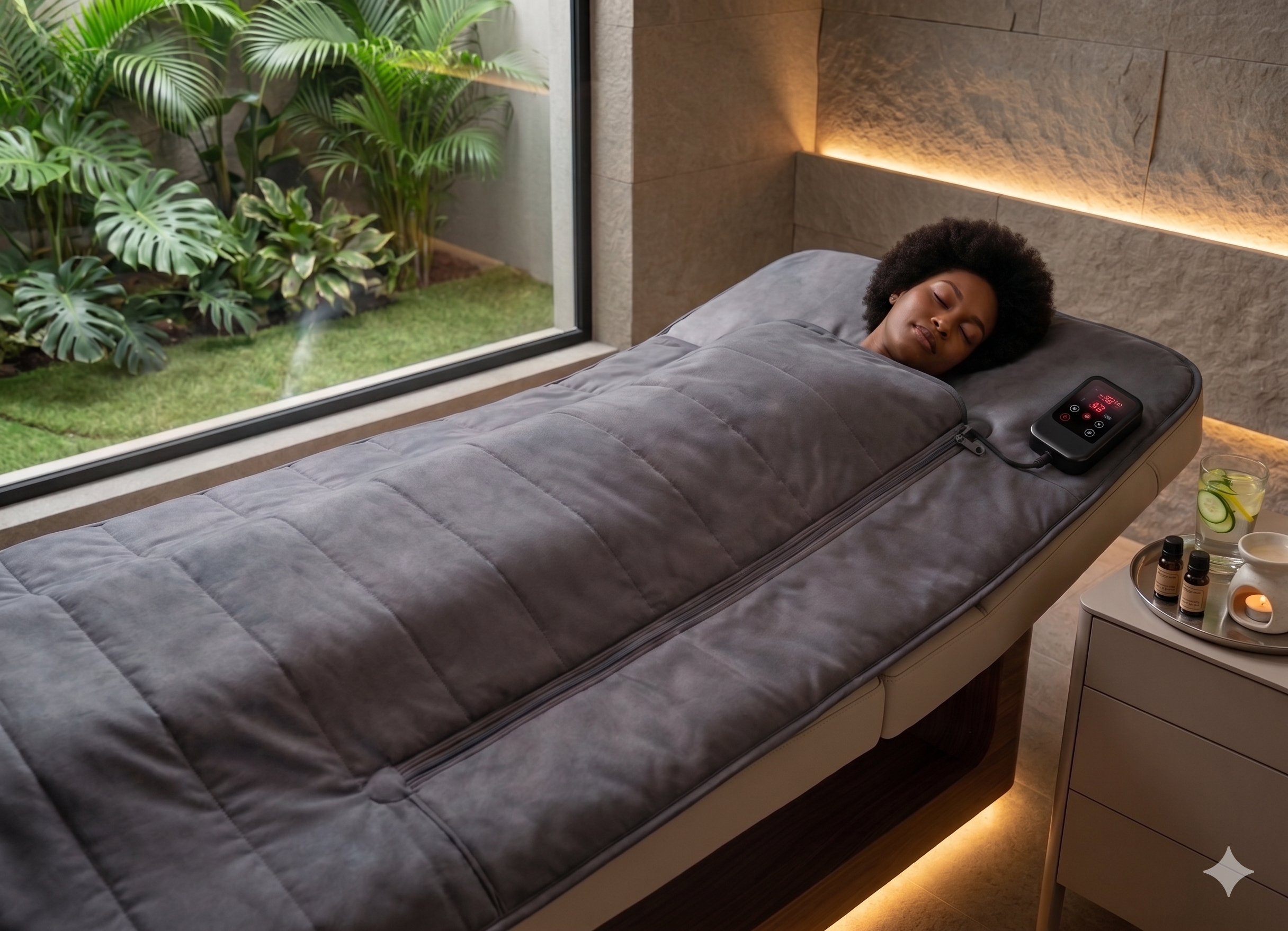
Let’s be honest with each other. If you’re hoping to lose significant weight without making any other lifestyle changes, sauna blankets alone won’t get you there. They’re not magic.
What they can do is support your existing efforts. Think of them as a helpful companion on your wellness path, not a replacement for healthy eating and movement.
The Real Benefits You Can Expect
Here’s where sauna blankets shine:
-
Temporary water weight reduction for when you need to feel less bloated
-
Increased circulation that may help with recovery and muscle soreness
-
Relaxation and stress relief that supports better sleep and hormone balance
-
A modest calorie burn that adds to your daily energy expenditure
-
Detoxification through sweating that can leave your skin glowing
When you combine regular sauna blanket sessions with proper nutrition and physical activity, you create what we call body contouring synergy. Each element supports the others, building momentum toward your goals.
What the Research Shows
The research on infrared sauna blanket weight loss is still growing, but what we know is promising. A 2009 study found that regular sauna use was associated with weight loss in overweight individuals. Participants who used saunas regularly showed improvements in body composition over time.
Another study looked at the cardiovascular benefits and found that the body’s response to heat exposure can improve over time, potentially leading to a metabolism boost Indianapolis residents and people everywhere are seeking. Your body becomes more efficient at thermoregulation, which may slightly increase your resting metabolic rate.
The key word here is “may.” Individual results vary widely based on factors like:
-
Your starting weight and body composition
-
How often you use the sauna blanket
-
The duration and temperature of your sessions
-
Your overall lifestyle habits
-
Your hormone balance and metabolic health
Understanding the Calorie Burn
You want to know exactly how to burn calories without working out, and sauna blankets offer one pathway. But let’s break down what’s really happening.
Active Calories vs. Passive Calories
When you exercise, you burn calories through muscle contraction and movement. Your body uses stored energy (ideally fat) to fuel this activity. This is active calorie burning.
In a sauna blanket, you’re burning passive calories. Your body is working to maintain its core temperature, which requires energy, but you’re not building muscle or improving cardiovascular fitness in the same way you would through exercise.
Both types of calorie burn matter. They just serve different purposes in your wellness plan.
The Metabolic Response
Here’s something encouraging. Regular heat exposure may help train your body to become more metabolically flexible. This means your body gets better at switching between burning carbohydrates and burning fat for fuel.
When you’re in a heated environment, your body releases heat shock proteins. These special proteins help protect your cells from stress and may support metabolic health. Some researchers believe this could contribute to long-term metabolic improvements.
Think of it this way. Each sauna session is like a gentle nudge to your metabolism, reminding it to stay active and responsive.
Making Sauna Blankets Work for You
If you’re ready to add sauna blanket sessions to your routine, let’s talk about how to do it safely and effectively.
Starting Your Practice
Begin slowly. Your first session should be short, maybe 15 to 20 minutes, at a moderate temperature. You’re teaching your body to adapt to this new form of heat exposure.
Listen to what your body tells you. Some people feel energized after a session. Others feel deeply relaxed and ready for rest. There’s no wrong response. Honor what you’re experiencing.
Hydration is absolutely essential. Drink water before, during, and after your session. You’re losing fluids through sweat, and you need to replace them. Add a pinch of sea salt to your water or sip on coconut water to replenish electrolytes.
Creating a Routine
Consistency matters more than intensity. Three sessions per week is a good starting point for most people. As your body adapts, you can increase to four or five sessions if you’d like.
Schedule your sessions at times that work with your natural rhythm. Some people love starting their day with a morning sweat session. Others prefer evening sessions to unwind and prepare for restful sleep.
Pair your sauna time with other self-care practices:
-
Light stretching before or after
-
Deep breathing exercises during your session
-
A cool shower afterward to close your pores
-
Gentle skin brushing to support lymphatic drainage
-
Quiet meditation or calming music
Safety Considerations
Sauna blankets are generally safe for healthy adults, but there are some situations where you should check with your healthcare provider first:
-
If you’re pregnant or trying to conceive
-
If you have cardiovascular conditions
-
If you take medications that affect your body’s temperature regulation
-
If you have skin conditions that might be aggravated by heat
-
If you’re dealing with acute illness or fever
Never use a sauna blanket while under the influence of alcohol or substances that impair your judgment. And always stop if you feel dizzy, nauseous, or uncomfortable.
Beyond Weight Loss: The Full Picture
Weight loss might be what brought you here, but sauna blankets offer benefits that go far beyond the number on the scale.
Stress Relief and Hormone Balance
Chronic stress wreaks havoc on your hormones, making weight loss harder and affecting everything from your sleep to your digestion. The deep relaxation you experience in a sauna blanket can help lower cortisol levels and bring your stress response back into balance.
When you’re less stressed, you make better food choices. You sleep more soundly. Your body holds onto less inflammation and water retention. All of this supports your weight loss efforts in ways that aren’t immediately visible but are deeply felt.
Skin Health and Appearance
The sweating process helps clear your pores and brings fresh blood flow to your skin’s surface. Many people notice a healthy glow after regular sauna use. Your skin may appear firmer and more toned as circulation improves.
This is part of that body contouring synergy we mentioned earlier. When you combine heat therapy with proper hydration and nutrition, your skin becomes more supple and responsive to other treatments.
Muscle Recovery and Pain Relief
If you’re active, you know the struggle of sore muscles and tight joints. The infrared heat penetrates deep into your tissues, helping to relax muscles and ease discomfort.
Better recovery means you can show up more consistently for your workouts. You can push a little harder knowing that you have this tool to help your body bounce back. This creates a positive cycle that supports your overall fitness and weight management.
Combining Sauna Blankets with Other Strategies
You’re not just looking for a quick fix. You want sustainable results that last. That’s why we encourage you to think of sauna blankets as one piece of your wellness puzzle.
The Power of Pairing
When you combine regular sauna sessions with:
-
Balanced, nourishing meals that fuel your metabolism
-
Regular movement that you actually enjoy
-
Quality sleep that allows your body to repair and reset
-
Stress management practices that keep your hormones balanced
-
A supportive community that understands your goals
You create an environment where real, lasting change can happen. This is the metabolism boost Indianapolis wellness seekers and people everywhere are looking for. Not a pill or a gadget, but a comprehensive approach that honors your whole self.
Working with Professionals
Consider partnering with wellness professionals who can guide your path. A nutritionist can help you fuel your body properly. A fitness coach can design movement routines that complement your sauna practice. A wellness consultant can help you put all the pieces together in a way that makes sense for your unique situation.
You don’t have to figure this out alone. In fact, you’ll get better results when you have support and accountability.
Real Expectations, Real Results
Let’s talk about what you can realistically expect when you add infrared sauna blanket weight loss sessions to your routine.
The First Month
In your first few weeks, you’ll likely notice:
-
Reduced bloating and water retention
-
Better sleep quality
-
A sense of relaxation and stress relief
-
Improved skin texture and glow
-
Slightly looser clothing from reduced inflammation
You might see a few pounds drop on the scale, but remember that initial weight loss is often water weight. Don’t let that discourage you. Real changes are happening beneath the surface.
Months Two and Three
As you continue your practice, you may notice:
-
More consistent energy levels throughout the day
-
Improved recovery from workouts
-
Better stress management
-
Gradual, steady changes in body composition
-
A growing sense of connection with your body
This is when the practice becomes part of who you are, not just something you’re trying. You start to crave that time wrapped in warmth, caring for yourself.
Long-Term Benefits
After several months of consistent use, combined with healthy lifestyle habits, many people report:
-
Sustainable weight management
-
Improved metabolic function
-
Better hormone balance
-
Reduced chronic pain and inflammation
-
A deeper understanding of their body’s needs
The question “do sauna wraps work” becomes less important because you’ve experienced the answer in your own body. You know what works for you.
Your Next Steps
You’ve learned what sauna blankets can and cannot do. You understand how they fit into a broader wellness approach. Now it’s time to decide if this practice is right for you.
Questions to Ask Yourself
-
Am I willing to commit to regular sessions for at least a few months?
-
Do I have the time and space to incorporate this into my routine?
-
Am I approaching this as one tool among many, not a magic solution?
-
Do I have realistic expectations about the results?
-
Am I ready to support this practice with other healthy habits?
If you answered yes to these questions, you’re ready to give sauna blankets a try.
Making It Happen
You can invest in a sauna blanket for home use, which gives you the flexibility to practice on your own schedule. Or you can book sessions at a wellness center where professionals can guide your experience and combine it with other complementary treatments.
The benefit of working with a wellness center is the community and support you’ll find there. You’re not just getting a service. You’re joining a group of people who understand what you’re going through because they’re on similar paths.
Finding Your Community
Weight loss can feel lonely. You might feel like you’re the only one struggling, the only one who’s tried everything without lasting success. But you’re not alone.
When you step into a wellness space that truly understands the challenges you face, something shifts. You realize that others share your struggles and your hopes. You find encouragement in their stories and offer support through your own.
This sense of belonging matters just as much as any treatment or service. It keeps you coming back. It helps you stay consistent. It reminds you why you started this path in the first place.
A Supportive Environment
Look for wellness providers who:
-
Listen to your concerns without judgment
-
Celebrate your progress, no matter how small
-
Adjust recommendations based on your individual needs
-
Provide education so you understand what’s happening in your body
-
Create a warm, welcoming space where you feel safe
You deserve to be supported, not just sold to. You deserve professionals who see you as a whole person, not just a number or a transaction.
The Truth About Passive Calorie Burning
Let’s circle back to that original promise: burn calories without working out. Sauna blankets deliver on this, but with important caveats.
Yes, you will burn calories. Yes, your body will work to cool itself, expending energy in the process. Yes, you can support your weight loss efforts through regular use.
But no, you cannot completely replace physical activity and healthy eating with sauna sessions. Your body needs movement to stay strong and functional. It needs proper nutrition to fuel your metabolism and support your hormones.
Think of sauna blankets as a valuable addition, not a replacement. They give you an edge. They provide benefits that complement your other efforts. They offer a way to care for yourself that feels good and supports your goals.
Honoring Your Whole Self
Your weight loss path is about more than just losing pounds. It’s about feeling at home in your body. It’s about having the energy to show up for your life. It’s about finding practices that nurture you, body and soul.
Sauna blankets can be part of that nurturing. They give you permission to slow down, to rest, to simply be. In our culture that glorifies constant hustle, that’s a radical act of self-care.
Moving Forward with Confidence
You now have the information you need to make an informed decision about infrared sauna blanket weight loss. You understand the science, the benefits, the limitations, and the best ways to incorporate this practice into your life.
The next step is yours to take. Will you give yourself permission to try something new? Will you allow yourself to be supported in your wellness goals? Will you join a community of people who are choosing to care for themselves in meaningful ways?
Whatever you decide, know that you’re worthy of the effort. Your health matters. Your wellbeing matters. You matter.
And if you’re ready to explore how sauna blankets, along with other supportive services, can fit into your unique wellness plan, we’re here for you. We’re ready to listen, to guide, and to walk alongside you as you create the vibrant health you deserve.
Your body is already doing its best for you. Maybe it’s time to give it some extra support. Maybe it’s time to see what becomes possible when you combine smart strategies with consistent care and genuine community.
The path to lasting wellness isn’t always easy, but it’s always worth it. And you don’t have to walk it alone.