
The Connection Between Physical Activity and Improved Mental Health
Most people think exercise only shapes the body. What if your daily physical activity could also lift your mood and ease stress? You’ll see how simple moves connect directly to better mental well-being and why this matters more than you might expect.
Understanding the Mind-Body Connection
The Science Behind Exercise and Mental Health
Physical activity does much more than build muscle and improve cardiovascular health. When you exercise, your brain releases chemicals called endorphins that act as natural mood boosters. These powerful compounds help reduce feelings of pain and trigger positive feelings in the body, similar to morphine but without the harmful side effects.
Regular exercise also stimulates the production of serotonin, dopamine, and norepinephrine – neurotransmitters that play crucial roles in regulating mood. This biological response explains why many people report feeling happier and more relaxed after a workout.
How Much Movement Do You Need?
You don’t need to train like an Olympic athlete to gain mental health benefits. Research shows that even modest amounts of physical activity can make a significant difference. The American Heart Association recommends:
-
150 minutes of moderate-intensity activity per week
-
Or 75 minutes of vigorous activity per week
-
Plus muscle-strengthening activities twice weekly
But even small amounts count! A 10-minute walk can boost your mental state when you’re feeling down or stressed.
Physical Activity as Stress Management

Breaking the Stress Cycle
Our bodies respond to stress with a “fight or flight” reaction that floods our system with hormones like cortisol and adrenaline. In our modern world, we rarely physically fight or flee from our stressors, leaving these hormones circulating in our bodies.
Exercise provides a healthy outlet for this physical stress response. When you engage in physical activity, you’re giving your body a chance to practice dealing with stress. Your body learns to regulate the stress response system, making you more resilient when facing life’s challenges.
Creating Mindful Movement
Physical activity can also serve as a form of moving meditation. Activities like yoga, tai chi, and even walking can help you practice mindfulness by focusing your attention on your breathing and body sensations rather than your worries.
Try this simple exercise: During your next walk, pay attention to the feeling of your feet touching the ground, the rhythm of your breathing, and the sights and sounds around you. This mindful approach turns ordinary physical activity into a powerful stress management tool.
Exercise as a Mood Booster
Immediate Benefits for Your Emotional State
Have you ever noticed how a quick workout can transform your mood? This isn’t just your imagination. A single session of physical activity can:
-
Reduce anxiety levels
-
Decrease feelings of tension
-
Improve sleep quality
-
Increase energy levels
-
Enhance self-esteem
These benefits can last for several hours after exercise, giving you a mental health boost that carries you through challenging parts of your day.
Long-Term Mood Enhancement
Consistent physical activity creates lasting improvements in your mental state. People who exercise regularly report:
-
Lower levels of depression
-
Reduced anxiety
-
Better stress management
-
Improved sleep patterns
-
Higher self-esteem
One study found that regular exercise can be as effective as medication for some people with mild to moderate depression. While not a replacement for professional treatment, physical activity serves as a powerful complement to other mental health approaches.
Finding Your Joy in Movement
Matching Activities to Your Personality
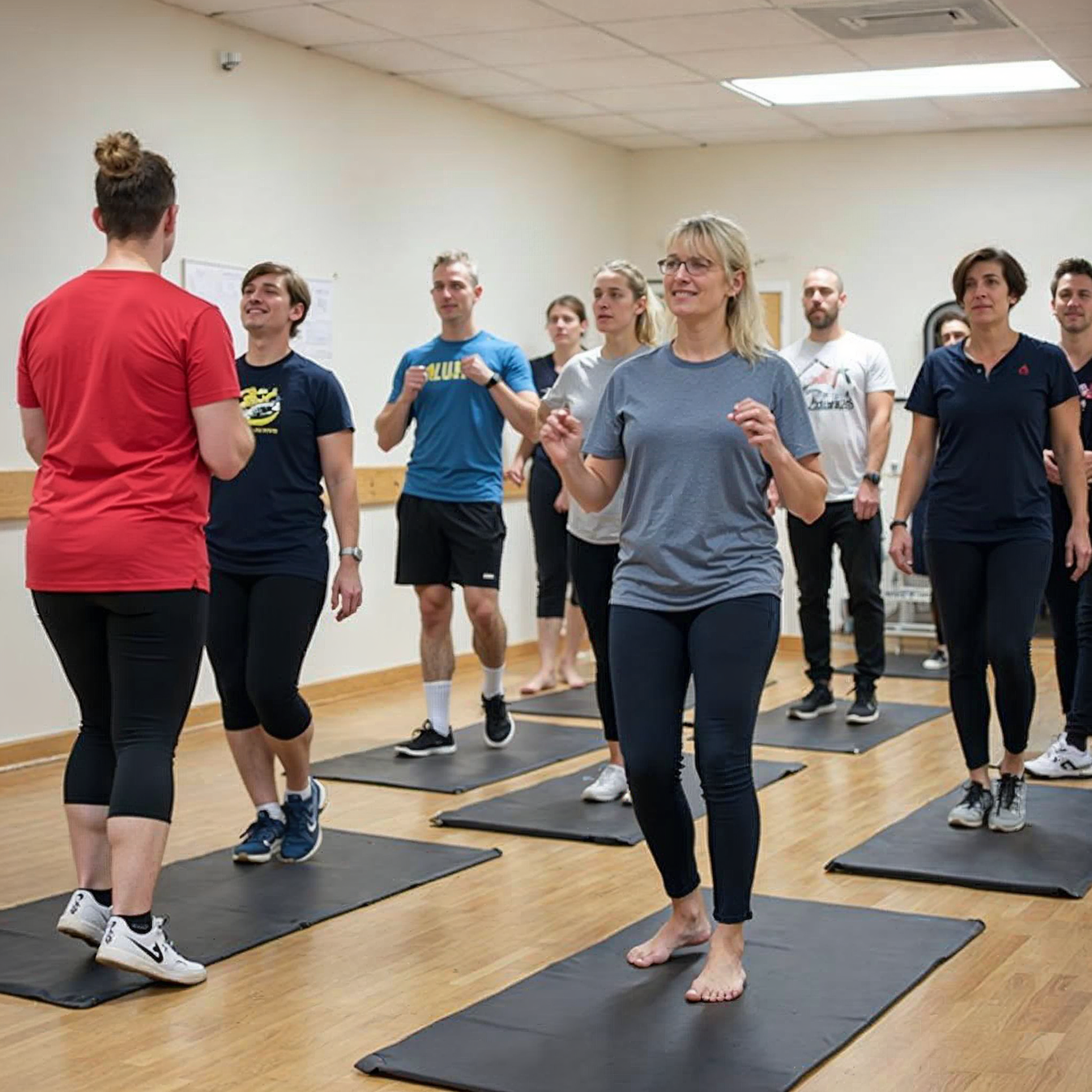
The best exercise for mental well-being is the one you’ll actually do consistently. Consider your personality and preferences when choosing activities:
-
Social butterflies might enjoy group fitness classes, team sports, or walking clubs
-
Those seeking solitude might prefer solo activities like running, swimming, or hiking
-
Creative types often connect with dance, yoga, or martial arts
-
Competitive people may thrive with sports or training for events
When physical activity feels good and aligns with who you are, you’re more likely to stick with it long-term.
Overcoming Barriers to Getting Started
If you’re struggling with mental health challenges, starting an exercise routine can feel overwhelming. Here are some gentle ways to begin:
-
Start with just 5-10 minutes of movement
-
Choose activities that feel manageable and enjoyable
-
Exercise with a supportive friend
-
Set realistic expectations
-
Celebrate small victories
Remember that any movement counts. Walking to the mailbox, gardening, cleaning your home, or playing with children all contribute to your physical activity levels and mental well-being.
Building a Supportive Exercise Community
The Power of Social Connection
Exercising with others adds another dimension to the mental health benefits of physical activity. Social connection is a fundamental human need, and combining it with movement creates a powerful formula for well-being.
Consider joining:
-
Walking groups in your neighborhood
-
Community recreation center classes
-
Online fitness communities
-
Charity walking or running events
These social connections can provide motivation, accountability, and emotional support on your wellness journey.
Creating a Sustainable Routine
For lasting mental health benefits, physical activity needs to become part of your regular routine. Try these strategies:
-
Schedule exercise sessions in your calendar
-
Start with a frequency that feels doable (even once a week is a start!)
-
Have a backup plan for bad weather or schedule changes
-
Track your mood before and after exercise to notice benefits
-
Focus on how good you feel after moving rather than on physical changes
Remember that consistency matters more than intensity. A gentle daily walk will provide more mental health benefits than an occasional intense workout followed by days of inactivity.
Physical Activity for Specific Mental Health Challenges

Exercise and Anxiety
For those experiencing anxiety, certain types of physical activity can be particularly helpful:
-
Rhythmic, repetitive activities like walking, running, or swimming
-
Mindful movement practices like yoga and tai chi
-
Outdoor activities that connect you with nature
-
Strength training that builds confidence and body awareness
These activities help regulate the nervous system and provide a healthy outlet for anxious energy.
Movement for Depression
When struggling with depression, exercise can feel impossible. Yet it’s also one of the most effective natural interventions. If you’re experiencing depression:
-
Set extremely small goals (even just putting on exercise clothes)
-
Enlist support from friends or family
-
Choose activities that require minimal preparation
-
Consider morning exercise to set a positive tone for the day
-
Remember that any movement counts
Physical activity helps combat depression by increasing brain-derived neurotrophic factor (BDNF), which supports brain health and function.
Integrating Movement Throughout Your Day
Beyond Formal Exercise
Mental health benefits come not just from dedicated workout sessions but also from reducing overall sedentary time. Look for opportunities to add movement throughout your day:
-
Take short walking breaks during work hours
-
Stand or pace during phone calls
-
Use a standing desk for part of your workday
-
Take the stairs instead of the elevator
-
Park farther from entrances
-
Do simple stretches while watching TV
These small habits add up to create a more active lifestyle that supports your mental well-being.
Creating Movement-Friendly Spaces
Your environment plays a big role in how active you are. Consider how you can arrange your home and work spaces to encourage movement:
-
Keep comfortable walking shoes by the door
-
Place exercise equipment in visible locations
-
Create a dedicated space for stretching or yoga
-
Post reminders about the mental health benefits of movement
-
Keep resistance bands or small weights near your desk
When physical activity becomes the easy choice, you’re more likely to incorporate it regularly.
Your Personal Movement Journey
Listening to Your Body
One of the most important aspects of using physical activity for mental well-being is learning to listen to your body. Some days you may need gentle, nurturing movement like stretching or a slow walk. Other days you might crave the intensity of a run or strength training session.
Tuning into these signals helps you use physical activity as a tool for mental health rather than another source of stress. Ask yourself: “What kind of movement would serve me best today?”
Celebrating Non-Scale Victories
When using exercise for mental health, focus on benefits beyond physical changes:
-
Improved mood after activity
-
Better sleep quality
-
Increased energy levels
-
Greater sense of capability and strength
-
Moments of joy during movement
-
Reduced stress levels
-
Clearer thinking
Noticing and celebrating these victories reinforces the connection between physical activity and mental well-being.
Physical activity offers one of the most accessible and effective tools for supporting your mental health. By finding joy in movement, creating consistent habits, and noticing the benefits beyond physical fitness, you can harness the power of exercise to enhance your overall well-being.
Remember that every step counts, and small changes add up to significant benefits for both body and mind. Your journey to better mental health through physical activity starts with a single step – what movement will bring you joy today?