
Stress and Skin Health: Understanding the Connection and Solutions
Stress doesn’t just weigh on your mind—it shows up on your skin, too. When tension builds, acne and inflammation often flare, making your skin care routine feel like a losing battle. The good news? Targeted spa treatments can calm both your mood and your skin. Let’s explore how stress impacts skin health and what you can do to clear the way for a healthier glow.
The Stress-Skin Connection

How Stress Affects Your Skin
When you feel stressed, your body releases hormones like cortisol that can trigger a cascade of reactions in your skin. These stress hormones can increase oil production in your skin glands, which often leads to clogged pores and breakouts. This explains why you might notice more acne appearing during particularly stressful periods in your life.
Stress can also worsen existing skin conditions. People with eczema, psoriasis, or rosacea often report flare-ups during times of high stress. The inflammation that comes with stress can make your skin more sensitive and reactive to environmental factors too.
The Visible Signs of Stress on Skin
Your skin tells the story of your stress levels in several ways:
-
Acne breakouts, especially around the chin and jawline
-
Increased skin sensitivity and redness
-
Dryness and flaking
-
Premature aging signs like fine lines
-
Dull complexion lacking natural glow
-
Dark circles under eyes from poor sleep
Many people notice these changes but don’t connect them to their stress levels. Understanding this link is the first step toward better skin health.
Breaking the Stress-Skin Cycle
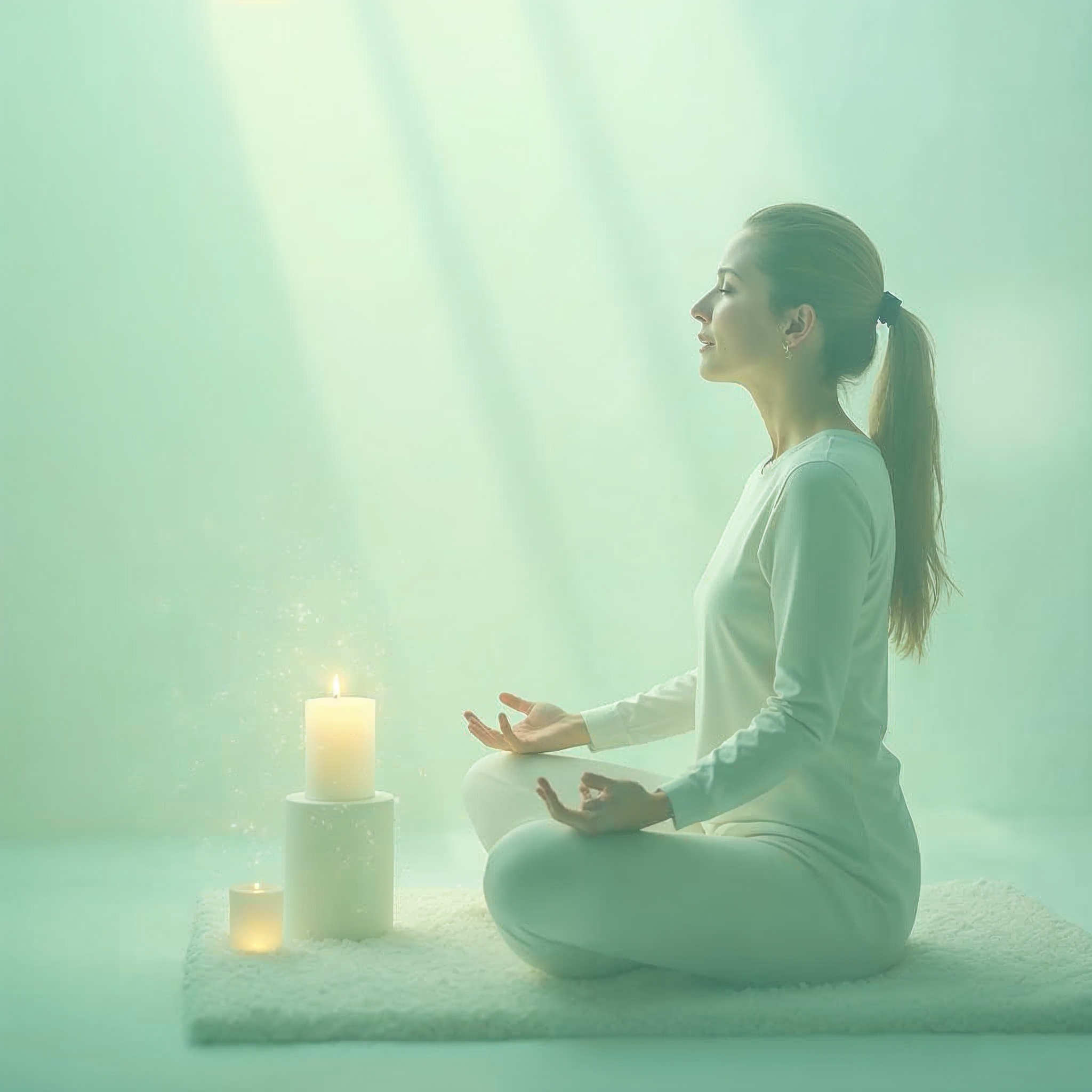
Stress Management Techniques for Better Skin
Taking steps to manage your stress can have direct benefits for your skin health:
-
Regular physical activity helps reduce stress hormones while improving circulation to your skin
-
Getting adequate sleep allows your skin to repair itself
-
Practicing mindfulness or meditation can lower overall stress levels
-
Deep breathing exercises can help during acute stress moments
-
Spending time in nature can reduce stress and inflammation
These practices don’t just help you feel better mentally – they create the internal conditions for healthier skin.
Skin Care Strategies During Stressful Times
When you’re going through a stressful period, your skin care routine might need adjustments:
-
Stick to gentle cleansers that won’t strip your skin barrier
-
Add anti-inflammatory ingredients like green tea or chamomile
-
Stay hydrated both by drinking water and using hydrating skin products
-
Avoid picking or touching your face, which can worsen inflammation
-
Consider simplifying your routine if stress is making you skip steps
Consistency becomes even more important during stressful times. A simple routine you can maintain is better than an elaborate one you abandon.
Spa Treatments That Combat Stress-Related Skin Issues
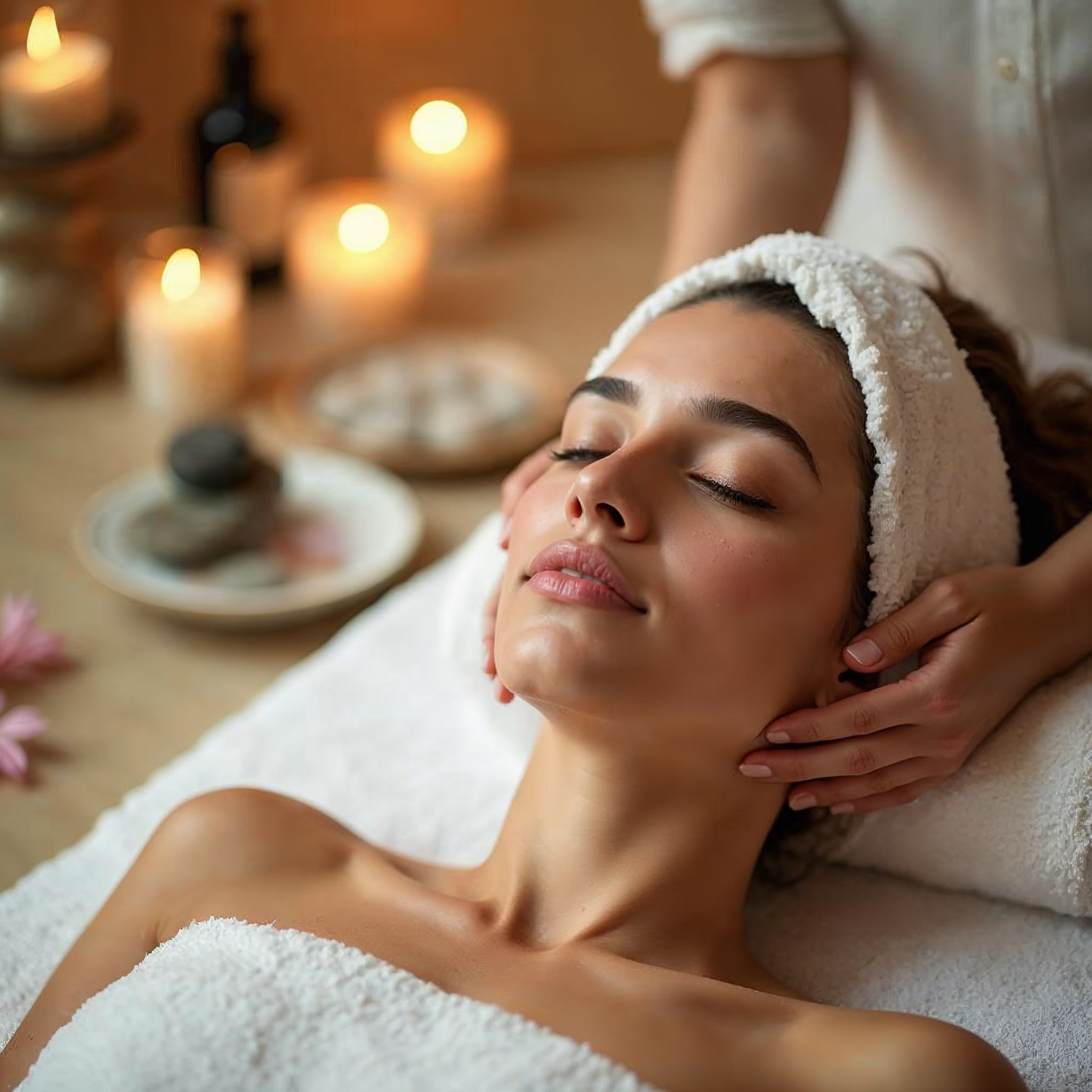
Facial Treatments for Stressed Skin
Specific spa treatments can address the effects of stress on your skin:
-
Deep cleansing facials help remove excess oil and clear congested pores
-
LED light therapy can reduce inflammation and kill acne-causing bacteria
-
Gentle exfoliation treatments remove dull skin cells without irritation
-
Calming masks with ingredients like aloe vera or oatmeal soothe irritated skin
-
Lymphatic drainage facial massage improves circulation and reduces puffiness
Professional facials provide both immediate results and long-term benefits for stress-affected skin.
Body Treatments for Overall Stress Reduction
Full-body spa treatments can address stress at its source:
-
Massage therapy reduces cortisol levels and eases muscle tension
-
Aromatherapy treatments with lavender or chamomile promote relaxation
-
Hydrotherapy in warm water helps calm the nervous system
-
Body scrubs improve circulation while providing a sensory escape
-
Infrared sauna sessions release tension and promote detoxification
When your whole body relaxes, your skin often shows the benefits through improved tone and clarity.
Creating Your Stress-Skin Management Plan
Daily Habits for Long-Term Skin Health
Small daily practices can make a big difference in how your skin responds to stress:
-
Start your morning with a glass of water before coffee
-
Take short breaks throughout the day to check in with your stress levels
-
Use sun protection daily, as stressed skin is more vulnerable to damage
-
Incorporate foods rich in antioxidants and omega-3 fatty acids
-
Set a consistent sleep schedule that allows for 7-8 hours nightly
These habits create a foundation that makes your skin more resilient against stress effects.
When to Seek Professional Help
Sometimes, stress-related skin issues need professional attention:
-
If acne becomes severe or leaves scarring
-
When over-the-counter products aren’t helping
-
If you notice unusual changes in moles or skin texture
-
When skin conditions cause significant discomfort
-
If stress itself feels overwhelming and unmanageable
Dermatologists, estheticians, and mental health professionals can all play important roles in breaking the stress-skin cycle.
The Mind-Body Connection in Skin Care
Beyond Products: The Emotional Aspect of Skin Health
Your relationship with your skin matters too:
-
Practice self-compassion when skin issues arise
-
View skin care as self-care rather than a chore
-
Notice negative self-talk about your appearance
-
Celebrate improvements rather than focusing only on flaws
-
Remember that perfect skin isn’t realistic or necessary
The way you think and feel about your skin can actually influence how it behaves and heals.
Building a Supportive Community
You don’t have to manage stress and skin health alone:
-
Share experiences with friends who understand
-
Join online groups focused on skin health
-
Work with professionals who take a holistic approach
-
Attend workshops about stress management
-
Create accountability partnerships for self-care routines
Support from others can make maintaining healthy habits much easier and more enjoyable.