
Managing Skin Breakouts: Stress Management Tips for a Clearer Complexion
Stress doesn’t just weigh on your mind—it shows up on your skin in stubborn breakouts. The hormone stress skin connection runs deeper than you think, messing with your complexion when you least expect it. You’ll find out how spa treatment benefits stress and relaxation therapy skin benefits can help clear your skin and calm your mind.
Understanding the Stress-Skin Relationship
The Science Behind Stress and Skin Health
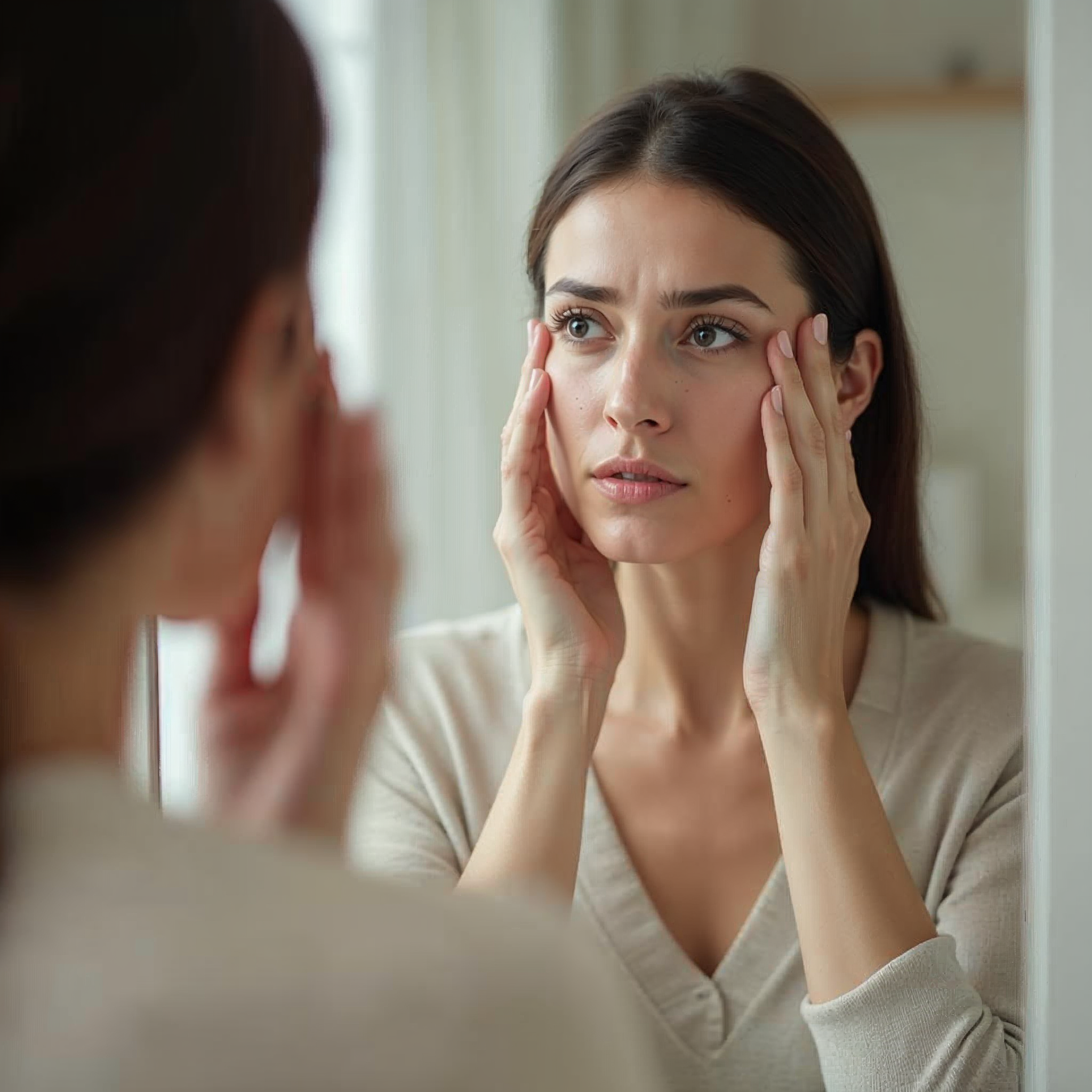
When your body encounters stress, it responds by releasing cortisol and other stress hormones. These chemicals trigger a cascade of reactions that can wreak havoc on your skin. Your oil glands might go into overdrive, producing excess sebum that clogs pores. Your skin’s natural barrier function can become compromised, making it more vulnerable to irritants and bacteria. The hormone stress skin connection is real and powerful – studies show that during high-stress periods, existing skin conditions like acne, eczema, and psoriasis often worsen.
Common Stress-Related Skin Issues
Stress can manifest on your skin in various ways:
-
Acne breakouts, especially around the jawline and chin
-
Increased skin sensitivity and redness
-
Dryness and flaking
-
Delayed healing of blemishes
-
Premature aging signs like fine lines
Many people notice their skin looks duller and less vibrant during stressful times. This happens because stress reduces blood flow to the skin, depriving it of nutrients and oxygen it needs to maintain that healthy glow.
Practical Stress Management for Skin Health
Daily Mindfulness Practices
Taking just 10 minutes each day for mindfulness can make a remarkable difference in your skin health. Simple breathing exercises where you focus on deep, slow breaths can activate your parasympathetic nervous system, which counteracts stress responses. Try setting aside time each morning or evening for meditation or guided relaxation – apps like Calm or Headspace offer quick sessions perfect for beginners.
Journaling about your stressors can also help process emotions before they manifest on your skin. Writing down what’s bothering you often reduces its power over your mind and body.
Sleep Optimization Techniques
Poor sleep and skin breakouts stress management go hand in hand. During sleep, your skin repairs itself, and disrupting this process can lead to inflammation and breakouts. Create a calming bedtime ritual that signals to your body it’s time to wind down. This might include:
-
Turning off electronic devices at least an hour before bed
-
Taking a warm bath with calming essential oils
-
Reading something enjoyable but not too stimulating
-
Keeping your bedroom cool, dark, and quiet
Aim for 7-9 hours of quality sleep each night. Your skin will thank you with improved clarity and texture.
Physical Activity for Stress Reduction
Exercise isn’t just good for your body – it’s wonderful for your skin too. When you work out, blood circulation improves, helping to nourish skin cells and carry away waste products. The endorphins released during physical activity naturally combat stress hormones that trigger breakouts.
Find activities you actually enjoy rather than forcing yourself through dreaded workouts. Whether it’s dancing in your living room, taking a bike ride, or gentle yoga, moving your body regularly helps maintain hormone balance that supports clear skin.
Spa Treatments That Combat Stress-Related Skin Issues
Facial Therapies for Stress-Induced Breakouts
Professional facials do more than just clean your pores – they can be powerful tools in skin breakouts stress management. Look for treatments that include:
-
Gentle exfoliation to remove stress-related dead skin buildup
-
LED light therapy to reduce inflammation
-
Lymphatic drainage massage to detoxify congested skin
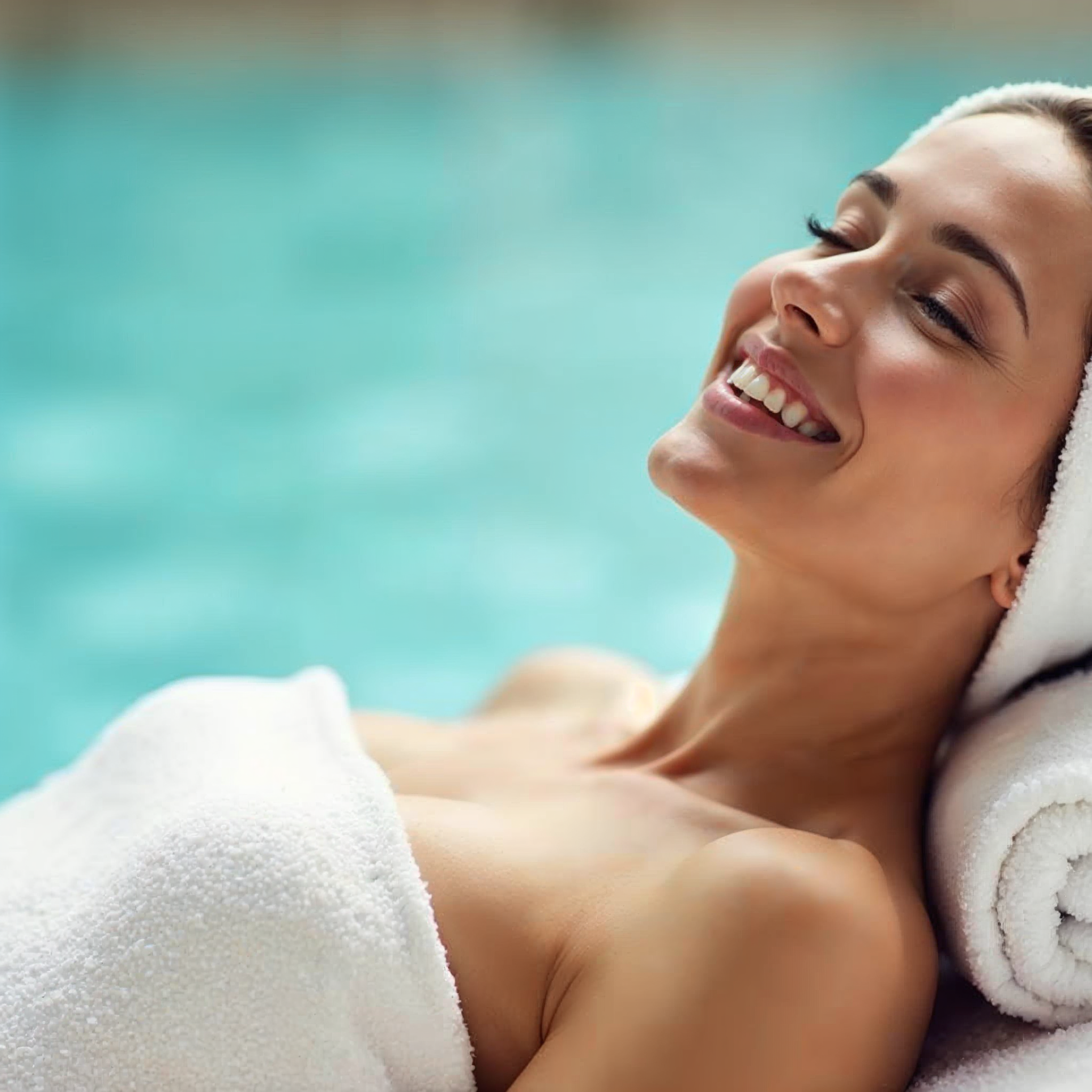
Many estheticians now specialize in stress-related skin issues and can customize treatments based on your specific concerns. The spa treatment benefits stress reduction while simultaneously addressing the visible effects on your skin.
Massage and Body Treatments
Full-body massages provide relaxation therapy skin benefits that extend far beyond the massage table. Swedish massage reduces cortisol levels while increasing serotonin and dopamine – your body’s natural feel-good chemicals. This hormonal rebalancing can dramatically improve skin clarity over time.
Hot stone therapy and aromatherapy massages add extra dimensions of stress relief. The warmth from hot stones helps release muscle tension that many of us carry in our shoulders and jaw, while essential oils like lavender and chamomile have proven calming effects on the nervous system.
At-Home Spa Rituals
You don’t need to visit a spa to get relaxation therapy skin benefits. Creating simple spa rituals at home can be just as effective when done regularly:
-
Apply a clay mask while soaking in a warm bath infused with Epsom salts
-
Give yourself a gentle facial massage with a gua sha tool or jade roller
-
Create a steam treatment by draping a towel over your head above a bowl of hot water with a few drops of tea tree or eucalyptus oil
These practices combine the physical benefits of skin treatment with the mental relaxation needed to break the stress-breakout cycle.
Nutrition and Supplements for Stress-Skin Balance
Anti-Inflammatory Foods
What you eat directly affects both your stress levels and skin health. Focus on incorporating:
-
Omega-3 rich foods like fatty fish, walnuts, and flaxseeds
-
Colorful fruits and vegetables high in antioxidants
-
Probiotic foods such as yogurt, kefir, and fermented vegetables
-
Green tea, which contains L-theanine for stress reduction
Reducing sugar, alcohol, and highly processed foods can also make a significant difference, as these items can trigger inflammation and hormonal fluctuations that worsen stress-related skin issues.
Supplements That Support Skin During Stress
Several supplements can strengthen the hormone stress skin connection in a positive way:
-
Adaptogens like ashwagandha and rhodiola help your body adapt to stress
-
B-complex vitamins support your nervous system during stressful periods
-
Magnesium helps relax muscles and calm the nervous system
-
Zinc supports wound healing and may help control oil production
Always consult with a healthcare provider before starting new supplements, especially if you take medications or have existing health conditions.
Creating a Stress-Resistant Skincare Routine
Gentle Cleansing Practices
When stress causes skin to act up, many people make the mistake of attacking it with harsh products. Instead, focus on gentle, consistent cleansing:
-
Use lukewarm water rather than hot, which can strip natural oils
-
Choose pH-balanced cleansers that won’t disrupt your skin barrier
-
Consider the double-cleanse method for thoroughly removing pollution and makeup without irritation
-
Limit cleansing to twice daily to avoid over-stripping your skin
Remember that stressed skin is sensitive skin – treat it with extra care rather than extra strength products.
Calming Ingredients to Look For
Certain skincare ingredients work particularly well for stress-affected skin:
-
Niacinamide helps regulate oil production and strengthens the skin barrier
-
Centella asiatica (also called cica) calms inflammation and supports healing
-
Aloe vera soothes irritation and provides gentle hydration
-
Ceramides help repair and maintain your skin’s protective barrier
Products containing these ingredients can help mitigate the visible effects of stress while your internal stress management practices work on the root cause.
Professional Support for Stress and Skin Health
When to Consult a Dermatologist
If stress-related skin issues persist despite your best efforts at self-care, it may be time to see a dermatologist. Consider making an appointment if:
-
Your breakouts are severe, painful, or leaving scars
-
Your skin condition is affecting your quality of life or mental health
-
You’ve tried multiple approaches without improvement
-
Your skin shows unusual symptoms beyond typical acne
A dermatologist can offer prescription treatments that work more effectively for serious stress-induced skin conditions and can rule out other potential causes.
Therapy Options for Chronic Stress
For some people, chronic stress requires professional mental health support to truly resolve skin issues. Cognitive behavioral therapy (CBT) has shown excellent results for managing stress and can indirectly improve skin conditions. Other helpful approaches include:
-
Mindfulness-based stress reduction (MBSR) programs
-
Biofeedback training to recognize and control stress responses
-
Group therapy for specific stressors like work burnout or relationship issues
Many therapists now recognize the connection between psychological well-being and physical manifestations like skin problems, making them valuable partners in your skin health journey.