
Unlocking Radiant Skin: The Role of Supplements and Diet in Achieving a Glowing Complexion
Most skincare routines miss the real secret: what you put inside matters just as much as what you apply outside. If you’re tired of products that promise a glow but leave your skin dull, it’s time to rethink your approach. This guide on supplements for clear skin and the right diet for glowing complexion will show you how to support your skin from within, including the real impact of probiotics and collagen for skin elasticity.
Beauty From Within: The Inside-Out Approach

When we talk about skincare, many of us immediately think about cleansers, moisturizers, and serums. But true skin health starts at a much deeper level. Your skin is your body’s largest organ, and like all organs, it needs proper nutrition to function at its best.
The Nutrition-Skin Connection
Your skin reflects what’s happening inside your body. Poor digestion, inflammation, and nutrient deficiencies often show up as dullness, breakouts, or premature aging. This connection between gut health and skin appearance has been recognized in both traditional healing practices and modern dermatology.
A balanced diet rich in vitamins, minerals, and antioxidants creates the foundation for clear, glowing skin. When we supplement this foundation wisely, we can address specific skin concerns and boost our natural radiance.
Essential Supplements for Clear Skin
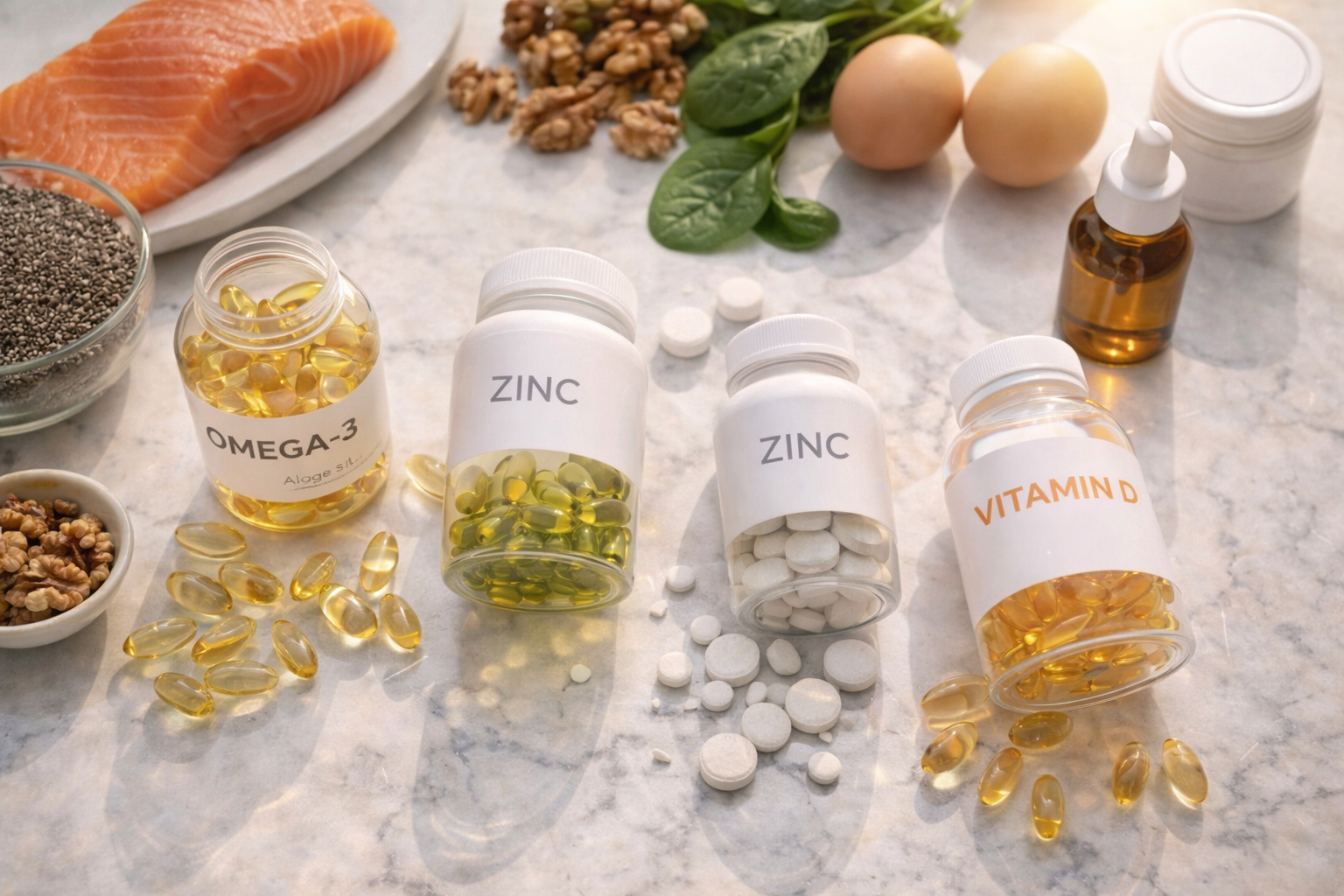
While a wholesome diet should always come first, strategic supplementation can help fill nutritional gaps and target particular skin issues.
Omega-3 Fatty Acids
These essential fats play a crucial role in maintaining your skin’s lipid barrier, which keeps moisture in and irritants out. Fish oil supplements can reduce inflammation, potentially helping with conditions like acne and eczema. For those following plant-based diets, algae-based omega-3 supplements offer a great alternative.
Zinc
This mineral is involved in hundreds of processes in your body, including cell division, protein synthesis, and immune function – all crucial for skin health. Studies have linked zinc supplementation with improvements in acne, as it helps regulate oil production and supports wound healing.
Vitamin D
Often called the “sunshine vitamin,” Vitamin D plays a role in skin cell growth and repair. Low levels have been associated with acne and other skin conditions. Since many people don’t get enough sun exposure to produce adequate amounts, supplementation may be beneficial, particularly during winter months.
Probiotics and Acne: The Gut-Skin Axis
The connection between gut health and skin clarity has gained significant attention in recent years. Probiotics, the beneficial bacteria that support digestive health, may also play a key role in managing acne and other inflammatory skin conditions.
Research suggests that certain probiotic strains can reduce skin inflammation, balance oil production, and strengthen the skin barrier. When your gut microbiome is balanced, it helps control systemic inflammation that can trigger or worsen skin problems.
Look for supplements containing Lactobacillus and Bifidobacterium strains, which have shown promise for skin health. Beyond supplements, fermented foods like yogurt, kefir, sauerkraut, and kimchi are natural sources of these beneficial bacteria.
Collagen for Skin Elasticity
As we age, our natural collagen production declines, leading to wrinkles and sagging skin. Collagen supplements have become popular for their potential to support skin structure from within.
Hydrolyzed collagen peptides are broken down into forms that your body can absorb more easily. Some studies suggest that taking collagen supplements regularly may improve skin elasticity, hydration, and density. Results typically take at least 8-12 weeks to become noticeable.
While the research is promising, it’s worth noting that results vary from person to person. For best results, choose high-quality collagen from reputable sources and take it consistently.
Diet for Glowing Complexion: Skin-Friendly Foods
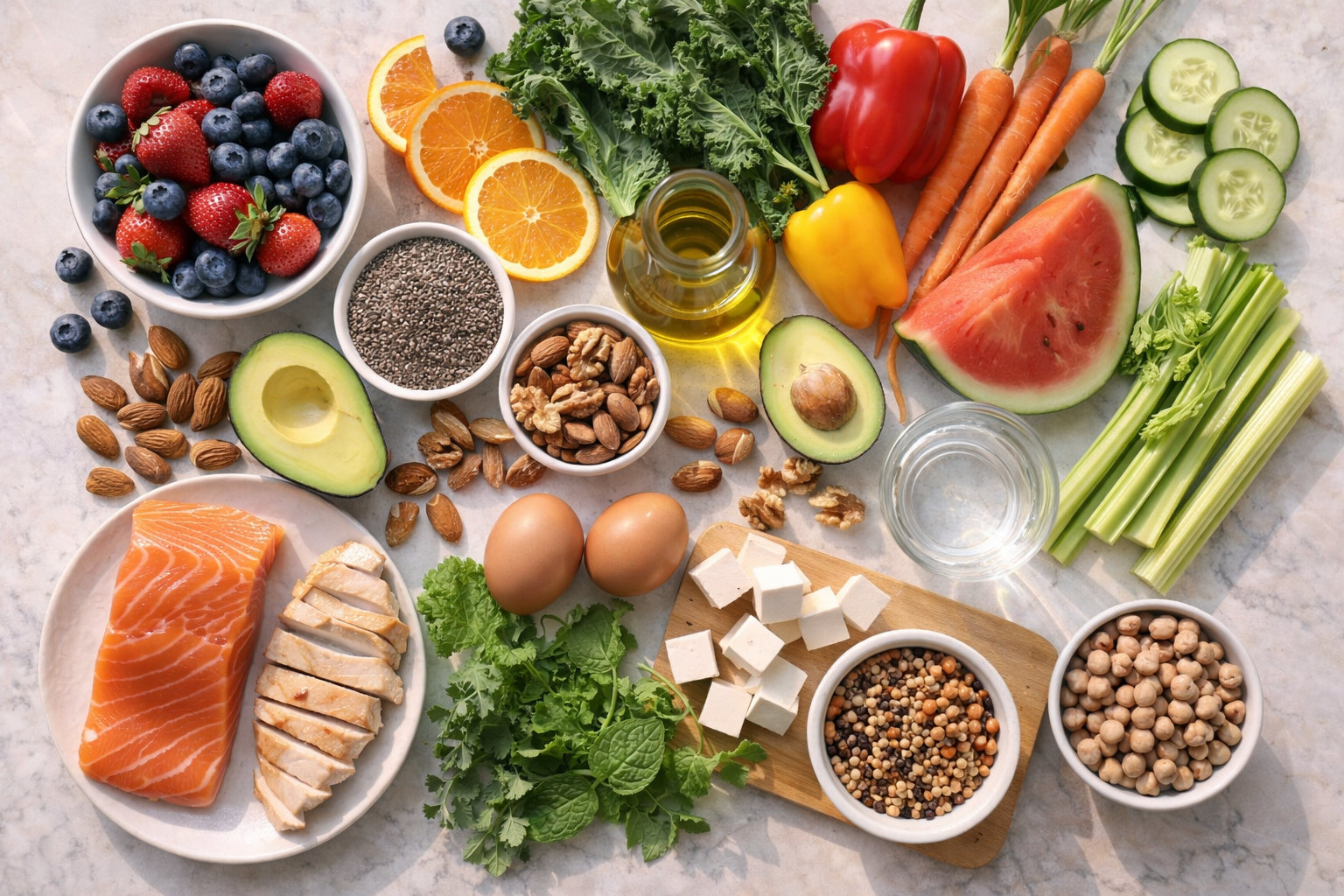
Supplements can help, but they work best alongside a nutrient-rich diet. Certain foods have particular benefits for skin health.
Antioxidant-Rich Fruits and Vegetables
Colorful produce contains antioxidants that fight free radicals, which can damage skin cells and accelerate aging. Berries, citrus fruits, leafy greens, and orange vegetables are particularly beneficial. Aim for at least five servings daily, with variety being key.
Healthy Fats
Avocados, olive oil, nuts, and seeds provide essential fatty acids that strengthen your skin’s moisture barrier. These foods help your skin stay hydrated and supple from the inside out.
Protein-Rich Foods
Your skin needs protein to build collagen and elastin, the structural proteins that keep skin firm. Include quality protein sources like eggs, fish, lean meats, legumes, and tofu in your daily meals.
Hydration Heroes
Water-rich foods like cucumber, watermelon, and celery help maintain skin hydration. Of course, drinking plenty of water is also essential for keeping skin cells plump and helping your body flush out toxins.
Foods to Limit for Clearer Skin
Just as some foods support skin health, others may contribute to problems.
Refined Sugars and Carbohydrates
Foods with a high glycemic index can trigger insulin spikes, which may increase sebum production and inflammation, potentially worsening acne. Limiting processed foods, sugary snacks, and white bread can make a big difference for many people.
Dairy Products
Some studies suggest a link between dairy consumption and acne in certain individuals. This doesn’t affect everyone, but if you notice breakouts after consuming milk products, you might consider reducing your intake or choosing plant-based alternatives.
Excessive Alcohol
Alcohol is dehydrating and can deplete nutrients needed for skin health. Limiting alcohol consumption can help maintain your skin’s moisture and clarity.
Creating Your Personal Skin Nutrition Plan
Everyone’s skin is unique, and what works for one person may not work for another. The key is to observe how your skin responds to different foods and supplements.
Start With the Basics
Before adding supplements, focus on building a skin-supporting diet:
-
Eat plenty of colorful fruits and vegetables
-
Include healthy fats and quality proteins
-
Stay well-hydrated
-
Limit processed foods, sugar, and alcohol
Add Targeted Supplements
Once your diet is balanced, consider adding supplements based on your specific skin concerns:
-
For acne: zinc, probiotics, omega-3s
-
For aging skin: collagen, vitamin C, vitamin E
-
For dryness: omega-3s, vitamin D
-
For inflammation: turmeric/curcumin, probiotics
Track Your Results
Keep a skin journal noting changes in your skin’s appearance, along with your diet, supplement routine, and other factors like stress and sleep. This can help you identify what truly works for your unique skin.
Holistic Beauty Advice: Beyond Diet and Supplements
While nutrition plays a major role in skin health, it’s just one piece of the puzzle. For truly radiant skin, consider these other factors:
Quality Sleep
During sleep, your skin cells repair and regenerate. Aim for 7-9 hours of quality sleep each night to support this process.
Stress Management
Chronic stress can trigger inflammation and hormonal imbalances that affect your skin. Practices like meditation, yoga, or simply taking time for activities you enjoy can help manage stress levels.
Gentle Skincare
Even with the best diet, harsh products can damage your skin barrier. Choose gentle cleansers and moisturizers appropriate for your skin type, and don’t forget sun protection.
Regular Exercise
Physical activity increases blood flow, which helps deliver nutrients to your skin cells and carry away waste products. Aim for at least 30 minutes of movement most days.
When to Consult Professionals
While nutrition can dramatically improve your skin, some conditions require professional help.
Working With a Dermatologist
If you have persistent or severe skin issues, see a dermatologist for proper diagnosis and treatment. They can help determine if your skin concerns are related to underlying health conditions.
Consulting a Nutritionist
A registered dietitian or nutritionist can help you create a personalized eating plan that addresses your specific skin concerns while ensuring you get all the nutrients you need.