
Secrets to Getting the Best Results from Your Red Light Therapy Sessions
Most people think longer red light therapy sessions guarantee better results. The truth is, timing and technique matter far more than you realize. With a few simple tips, your next session could deliver the best results yet and bring your wellness optimization to a new level.
Understanding Red Light Therapy
Red light therapy has become a go-to treatment for many wellness seekers. But what exactly is it, and why does it work? Let’s break it down.
What is Red Light Therapy?
Red light therapy uses specific wavelengths of light to boost your body’s natural healing processes. It’s not a tanning bed or laser treatment. Instead, it’s a gentle, non-invasive way to support your health.
The therapy involves exposing your skin to red and near-infrared light. These lights don’t burn or damage your skin. They work at a cellular level, giving your body extra energy to repair and rejuvenate itself.
Many people use red light therapy to improve skin health, reduce pain, and boost overall wellness. It’s a simple treatment you can do at home or in a clinic.
How Does It Work?
The magic of red light therapy happens inside your cells. When the light hits your skin, it wakes up the powerhouses of your cells – the mitochondria.
These tiny structures produce energy for your body. Red light gives them a boost, helping them make more energy. This extra energy helps your cells work better and repair faster.
Think of it like giving your body’s batteries a supercharge. With more power, your cells can do their jobs more effectively. This leads to a range of benefits throughout your body.
Benefits for Wellness Enthusiasts
Red light therapy offers a wide range of perks for health-conscious individuals. Users often report improved skin texture and fewer wrinkles. But the benefits go beyond skin-deep.
Many find relief from joint pain and muscle soreness. Athletes use it to speed up recovery after tough workouts. Some people even notice better sleep and more energy during the day.
The therapy may also help with hair growth, wound healing, and reducing inflammation. While it’s not a cure-all, many users find it a valuable addition to their wellness routine.
Preparing for Your Session

Getting ready for red light therapy is simple, but a few key steps can make a big difference. Let’s look at how to set yourself up for success.
Choosing the Right Equipment
Not all red light therapy devices are created equal. The key is finding one that fits your needs and budget. Home devices range from small handheld units to full-body panels.
Look for devices that use wavelengths between 630-660 nm (red light) and 810-850 nm (near-infrared). These ranges have shown the most promise in studies.
Check the power output too. A stronger device might mean shorter sessions. But remember, more isn’t always better. Start with the manufacturer’s recommendations and adjust as needed.
Creating an Ideal Environment
Your surroundings can impact your therapy’s effectiveness. Create a calm, comfortable space for your sessions. This helps you relax and may boost the benefits.
Remove any creams or makeup from your skin before treatment. Clean skin allows the light to penetrate better. Consider the temperature too. A slightly warm room can help your body absorb the light more effectively.
Dim other lights in the room to minimize interference. Some people like to meditate or practice deep breathing during their session. Find what works best for you to make the most of your time.
Setting Realistic Goals
Before you start, think about what you want to achieve. Are you looking to improve your skin? Reduce pain? Boost your energy? Having clear goals helps you track your progress.
Be patient with your results. While some people notice changes quickly, others may take weeks or months to see significant improvements. Consistency is often more important than instant results.
Write down your goals and current symptoms. This gives you a baseline to measure against. Remember, everyone’s body responds differently. What works for others might not work the same for you.
Tips for Best Results
Now that you’re set up, let’s explore how to get the most out of your red light therapy sessions. These tips can help you see better results, faster.
Consistency is Key
Regular sessions are crucial for seeing results with red light therapy. It’s not a one-and-done treatment. Your body needs steady exposure to keep reaping the benefits.
Aim for at least 3-5 sessions per week. Some people do daily treatments. Find a schedule that works for you and stick to it. Even short, regular sessions are better than long, infrequent ones.
Set reminders on your phone or add your sessions to your calendar. Treat it like any other important appointment. The more consistent you are, the better your results will likely be.
Combining with Other Practices
Red light therapy works well alongside other wellness practices. Many users find it boosts the effects of their existing routines. Here are some ideas to try:
-
Use red light before exercise to warm up muscles.
-
Apply skincare products after a session for better absorption.
-
Combine with meditation or deep breathing for stress relief.
Experiment to see what combinations work best for you. Always check with your doctor before starting any new health regimen, especially if you have ongoing health concerns.
Tracking Your Progress
Keeping a log of your sessions and results can be eye-opening. It helps you see changes you might otherwise miss. Plus, it keeps you motivated to stick with your routine.
Note things like skin appearance, pain levels, and energy. Take photos if you’re using it for skin health. Be specific in your observations. Instead of just “feeling better,” write “walked for 30 minutes without knee pain.”
Review your log every few weeks. This helps you adjust your routine if needed. It also gives you a clear picture of how red light therapy is helping you reach your goals.
Post-Session Care
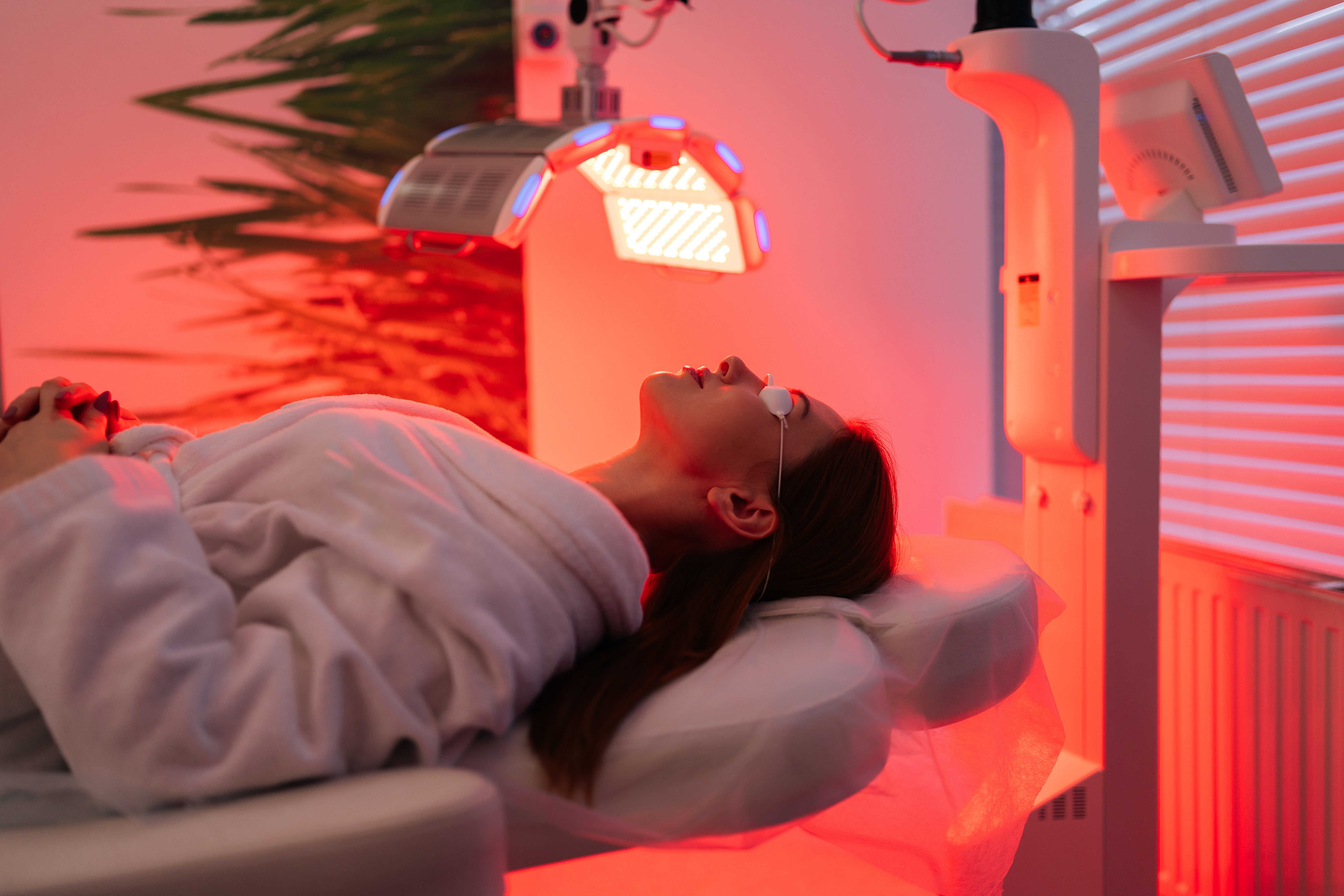
What you do after your red light therapy session can impact your results. Let’s look at some simple steps to maximize the benefits of your treatment.
Skin Care After Therapy
Your skin might be more receptive to products right after a session. This is a great time to apply your favorite serums or moisturizers. They may absorb better, boosting their effectiveness.
Stick to gentle, non-irritating products. Your skin might be slightly more sensitive after treatment. Avoid harsh exfoliants or acidic products immediately after your session.
Don’t forget sunscreen if you’re heading outside. While red light therapy doesn’t increase sun sensitivity, protecting your skin is always a good idea.
Hydration and Nutrition
Drinking plenty of water after your session helps support your body’s healing processes. Aim for at least 8 glasses a day. Some users find they feel thirstier after treatments.
Eating a balanced diet rich in antioxidants can complement your therapy. Foods like berries, leafy greens, and nuts support cellular health. They work hand-in-hand with the benefits of red light therapy.
Consider adding collagen-rich foods or supplements to your diet. Red light therapy may boost collagen production, and giving your body the building blocks it needs can enhance this effect.
Monitoring Long-term Effects
Pay attention to how you feel in the days following your sessions. Some benefits might not be immediately obvious. Keep an eye out for subtle changes in your energy, sleep quality, or overall well-being.
If you’re using red light for a specific condition, track relevant symptoms. For joint pain, note your range of motion or discomfort levels. For skin health, look for changes in texture or tone over time.
Don’t hesitate to adjust your routine based on what you observe. You might find that certain times of day work better for you, or that you need to tweak the duration of your sessions.
Building a Supportive Community
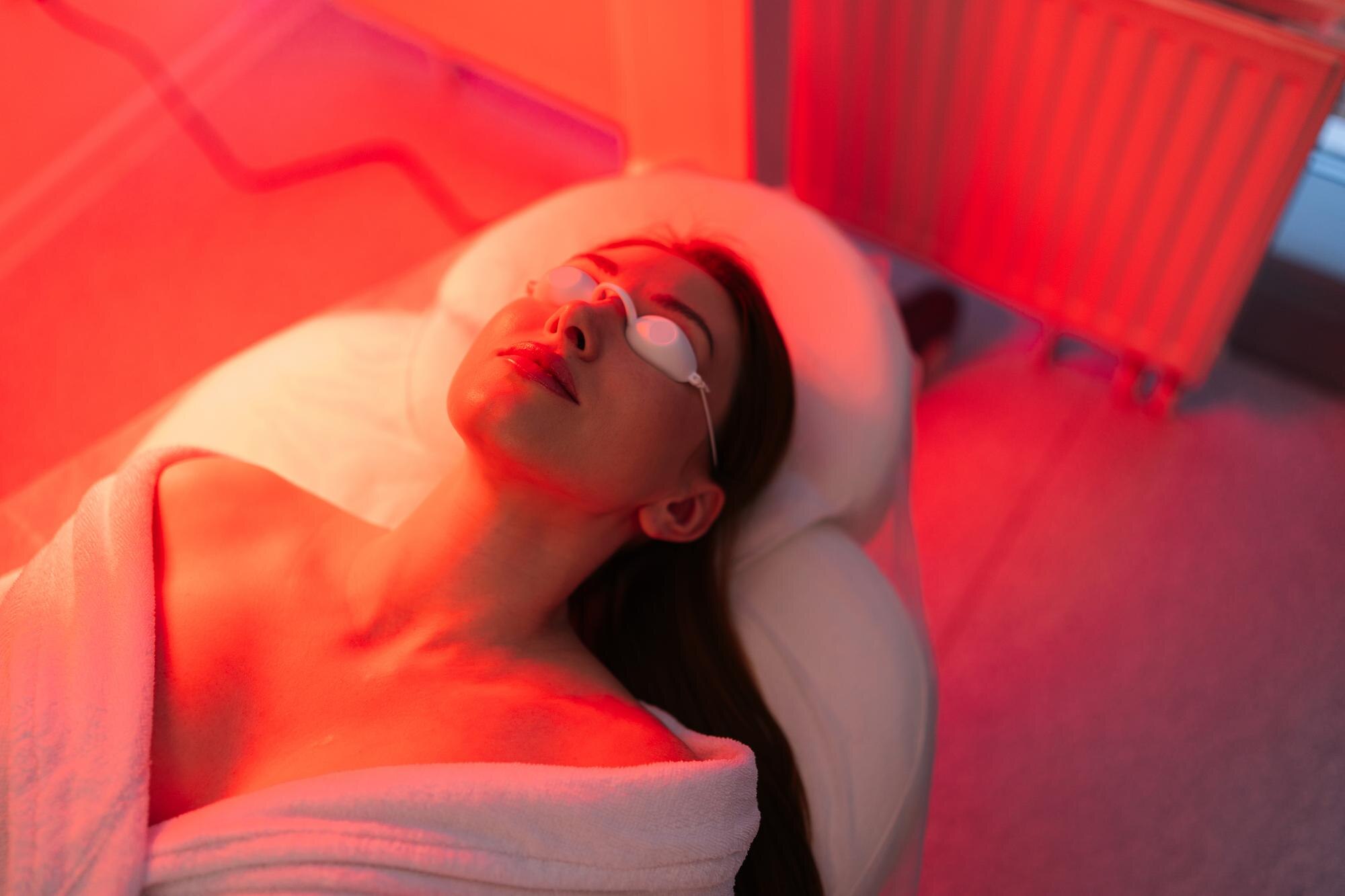
Red light therapy can be even more rewarding when you connect with others on the same journey. Let’s explore how building a community can enhance your experience.
Sharing Success Stories
Your progress can inspire others. Consider sharing your journey on social media or in wellness forums. Be honest about both your successes and challenges. This real-talk approach helps others set realistic expectations.
Look for local groups or online communities focused on red light therapy. These can be great places to share tips and celebrate milestones. Remember, your story might be just what someone else needs to hear to stay motivated.
When sharing, focus on your personal experience. Avoid making broad claims about what the therapy can do. Your unique journey is valuable precisely because it’s yours.
Connecting with Fellow Users
Joining a community of red light therapy users can provide valuable insights. You might learn new ways to use your device or discover complementary practices. Plus, it’s encouraging to talk with others who understand your goals.
Look for meetups or online groups dedicated to wellness and red light therapy. These connections can offer support, answer questions, and share experiences. You might even find a buddy to help keep you accountable in your routine.
Don’t be shy about asking questions or seeking advice. Most people in these communities are happy to help newcomers. Your questions might even spark interesting discussions that benefit everyone.
Encouraging Confidence and Self-Acceptance
Remember, red light therapy is a tool to support your well-being, not a magic fix. It’s important to maintain a healthy perspective. Focus on how you feel, not just how you look.
Celebrate the small wins along your journey. Maybe you slept better or had less pain after a workout. These improvements in quality of life are just as important as visible changes.
Encourage others in your community to practice self-love and patience. Share how red light therapy fits into your overall wellness plan, not as a standalone solution. This balanced approach helps foster a positive, supportive environment for everyone.
By following these tips and connecting with others, you’re setting yourself up for the best possible results from your red light therapy sessions. Remember, consistency and patience are key. Keep at it, and you might be surprised by the positive changes you see and feel.